Two bonus case studies.
File under: multivariate mayhem. Performance marketing projects involving rigorous test-learn-iterate cycles, countless creative permutations, and content creation at scale.
I: Sheetz
Regional convenience store chain with quality everything.
II: Marketing For The Now
VaynerX’s thought-leadership series.

I: Sheetz
GOAL:
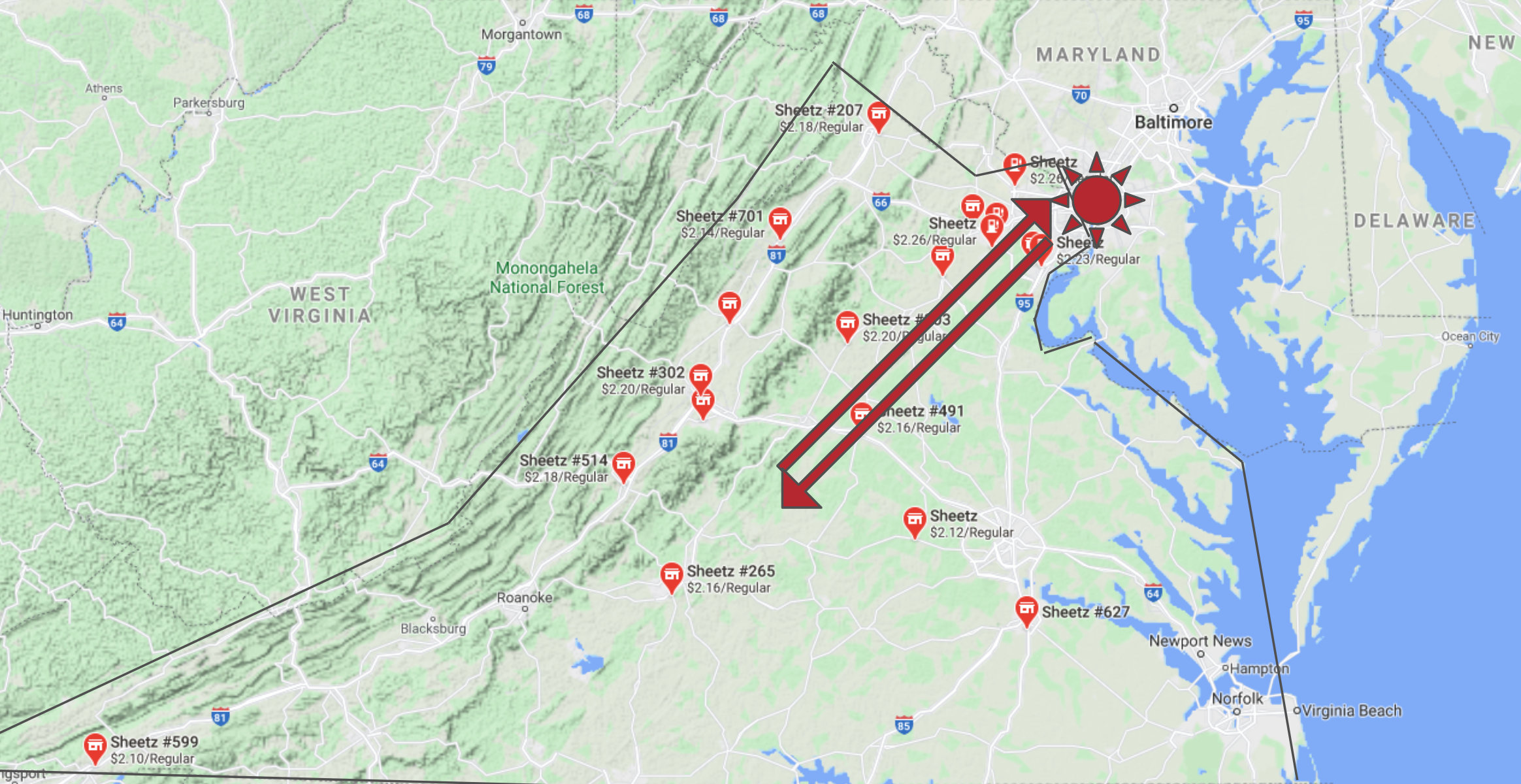
Drive 17,000 Sheetz mobile app downloads in Zone 2 markets.
Though based in PA, Sheetz was gaining a strong presence in Northern Virginia (Zone 2). This was a huge opportunity for acquisition, with people passing through to/from D.C. Getting users to download the app—and sign up for the loyalty program—meant more rewards and savings for them, and more return customers for the brand.
Critical campaign context.
Who?
I was both creative director and writer, alongside another writer and designer. Plus one account person—we did strategy—and two media folks.
What?
5 creative concepts x 2 core executions x 5 platforms (+ dynamic ad capabilities) = 100+ pieces of content. Just a small OOP budget for stock: $2,680.
Where? When?
Four weeks of planning and creative development at VaynerMedia (Q4 2020). Nine-week media flight: Facebook/IG, Snapchat, Google UAC, Apple News/Search.
The five concepts.
(Against three opportunity areas.)
1) Convert existing loyalty members into app users
2) Convert existing non-loyalty members into app users
3) Bring in net-new customers
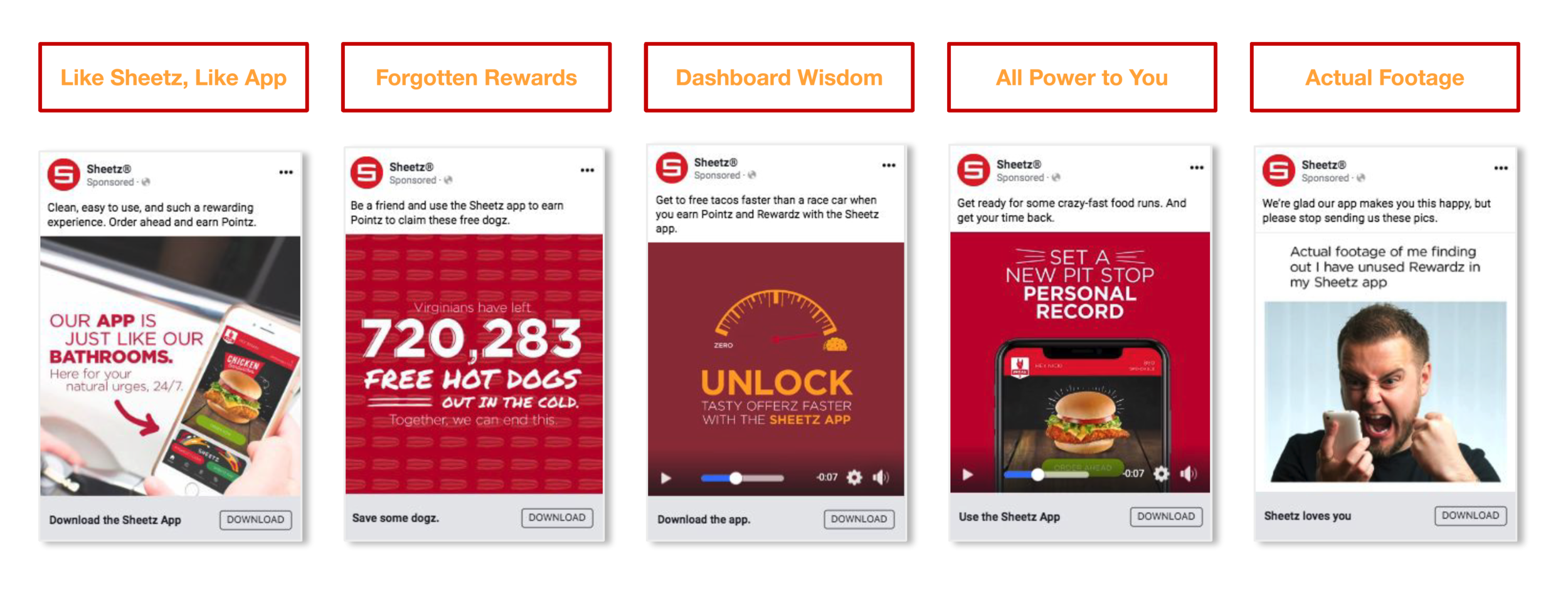
1. Like Sheetz, Like App: Equate the app to things people already love about Sheetz.
2. Forgotten Rewards: Leverage data to show customers how much free food they’re leaving on the table.
3. Dashboard Wisdom: Highlight the app’s special offers using familiar road trip visuals.
4. All the Power to You: Play up the ease and efficiency of the app experience.
5. Actual Footage: Lean into the cultural vernacular of memes to create curiosity around the app.
Breaking it down.
Creative Notes:
Each concept had executional variations—video and static—that my team created, or were served dynamically by machine learning. Variables: post copy, headline, menu item, stock image (gender, diversity), CTA button. For simplicity, FB versions shown above.
Media Approach:
A wide mix of targeting options catered to each platform’s strengths: from customer lists and site retargeting, to lookalike audiences and custom segmentations.
Optimizations:
Ongoing and mid-campaign optimizations were all media-based. Based on performance, we shifted budget toward broader opportunity areas, the most effective platforms, and the most resonant creative: “Actual Footage” and messaging around ordering ahead drove the strongest results.
ACHIEVEMENTS UNLOCKED!
We surpassed our main goal of 17,000 app installs by 40%.


II: Marketing For The Now (MFTN)
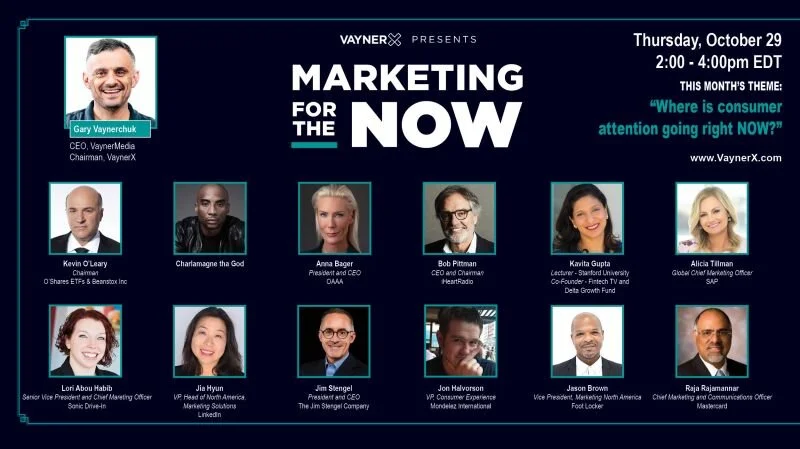
GOAL:
Get key industry stakeholders to sign up and stay in the loop with VaynerX through MFTN content.
Through the pandemic, Gary Vaynerchuk hosted a series of weekly live-stream chats with other marketing leaders. We remixed all this great footage to create even more content and further build brand. This initial, small-scale test allowed us to identify prospective new clients for VaynerX, as well as future MFTN speakers.
Critical campaign context.
Who?
I was creative director and writer, along with another writer and video editor. We partnered with Gary’s own brand marketing team, plus media.
What?
A small $2,000 media test to capture sign-ups on LinkedIn—starting with an even smaller pre-test on Facebook (more cost-efficient) to identify “winning” creative for LinkedIn.
Where? When?
About two weeks of creative development during the Holiday 2020 season at VaynerMedia. Media went live in January 2021.
All the variables.
30+ pieces of creative, featuring different combinations of speakers, conversational themes, visual formats, in-video headlines, and post copy.
Guests featured: Chris Brandt, Tabitha Brown, Fernando Machado, Ann Lewnes, Linda Boff, Matthew McCarthy, Jim Stengel.
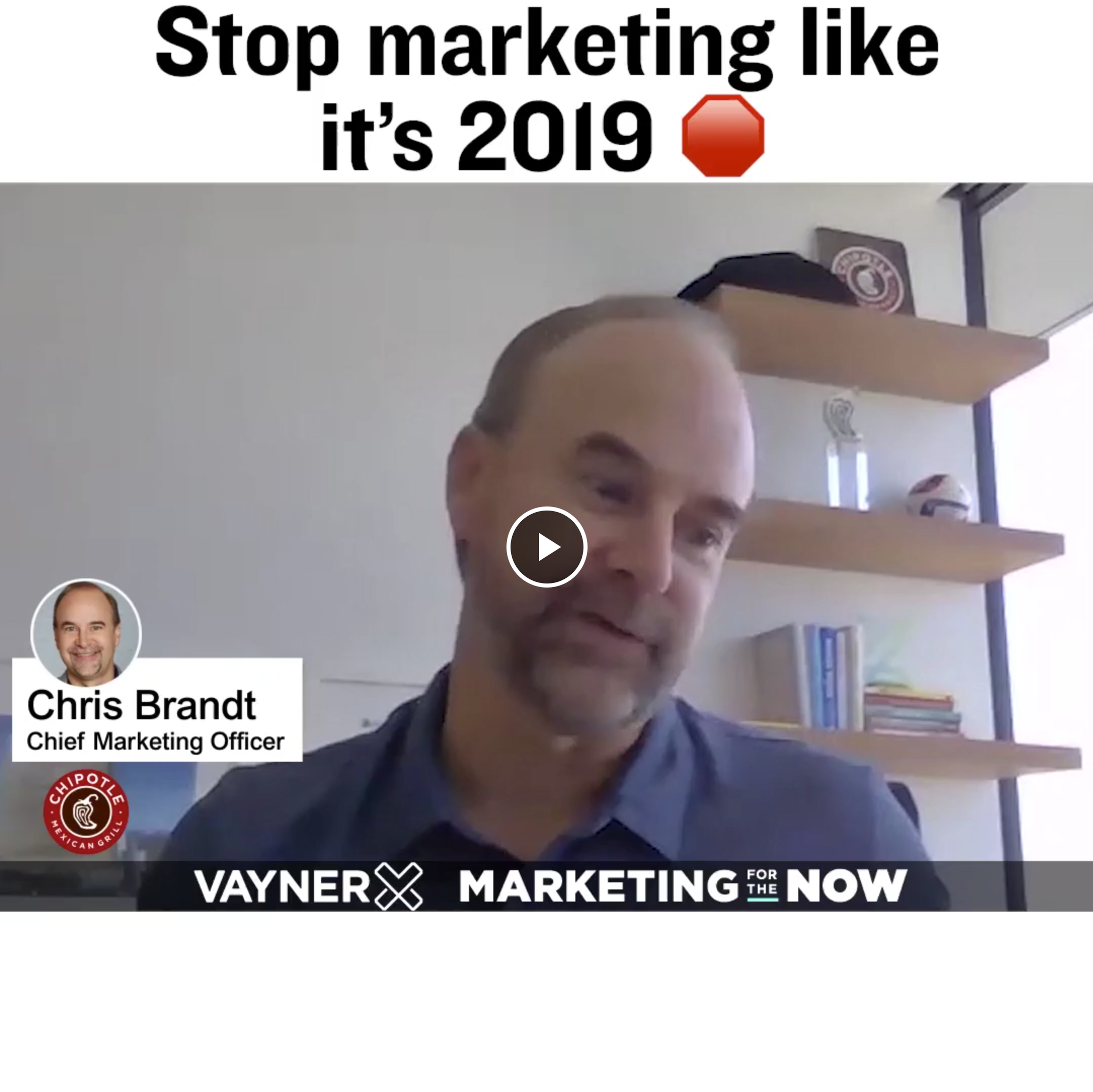
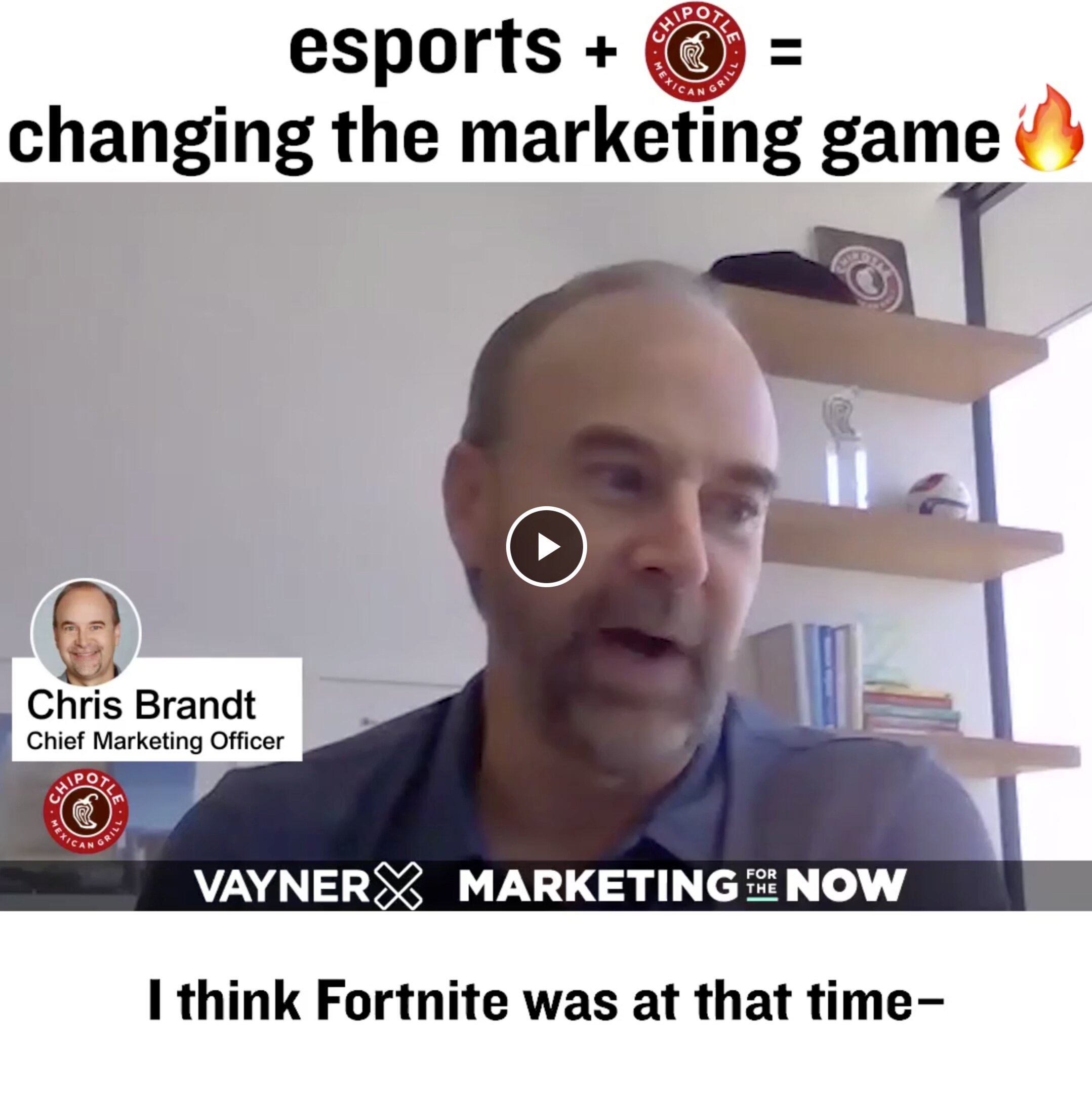
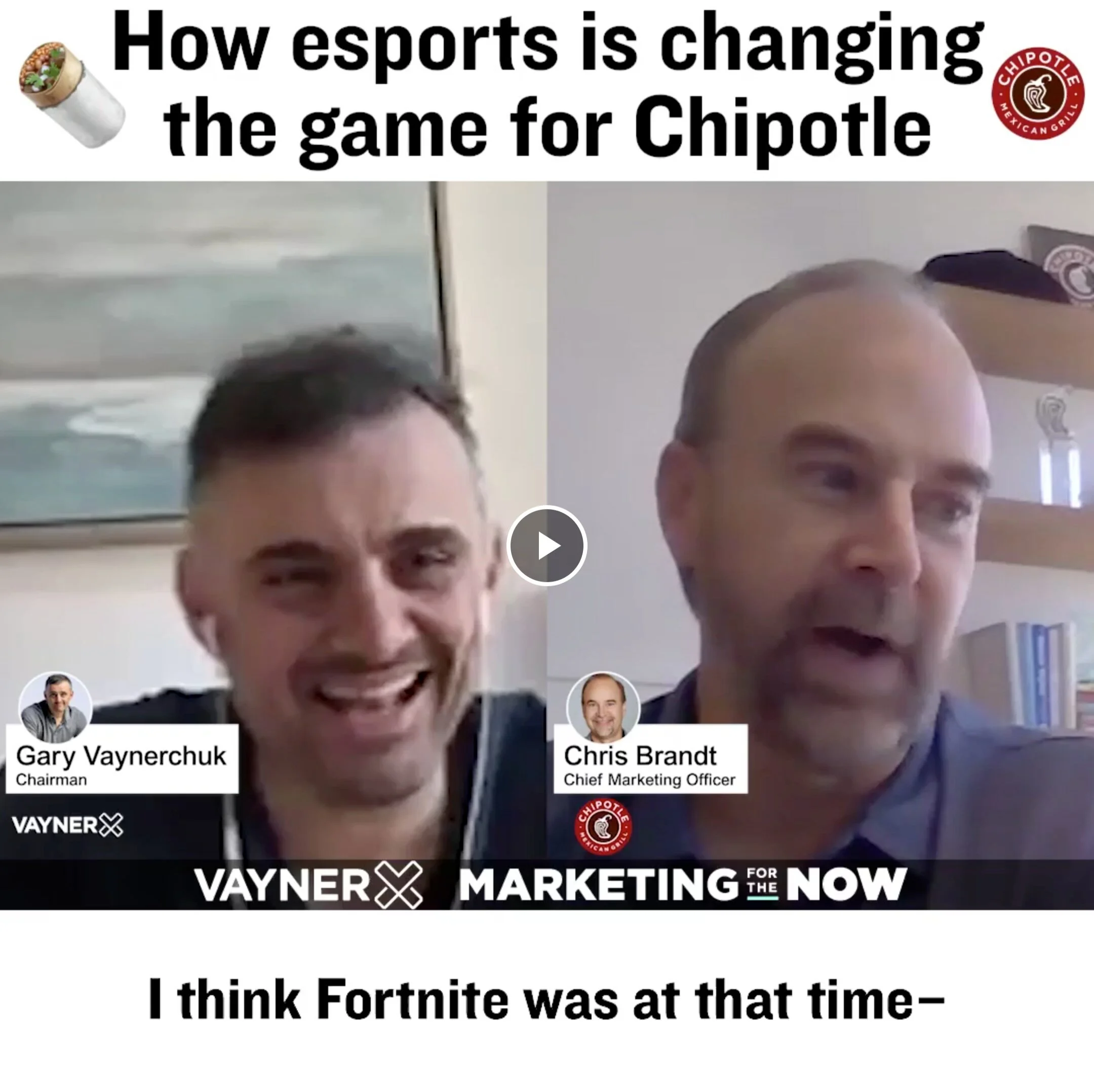
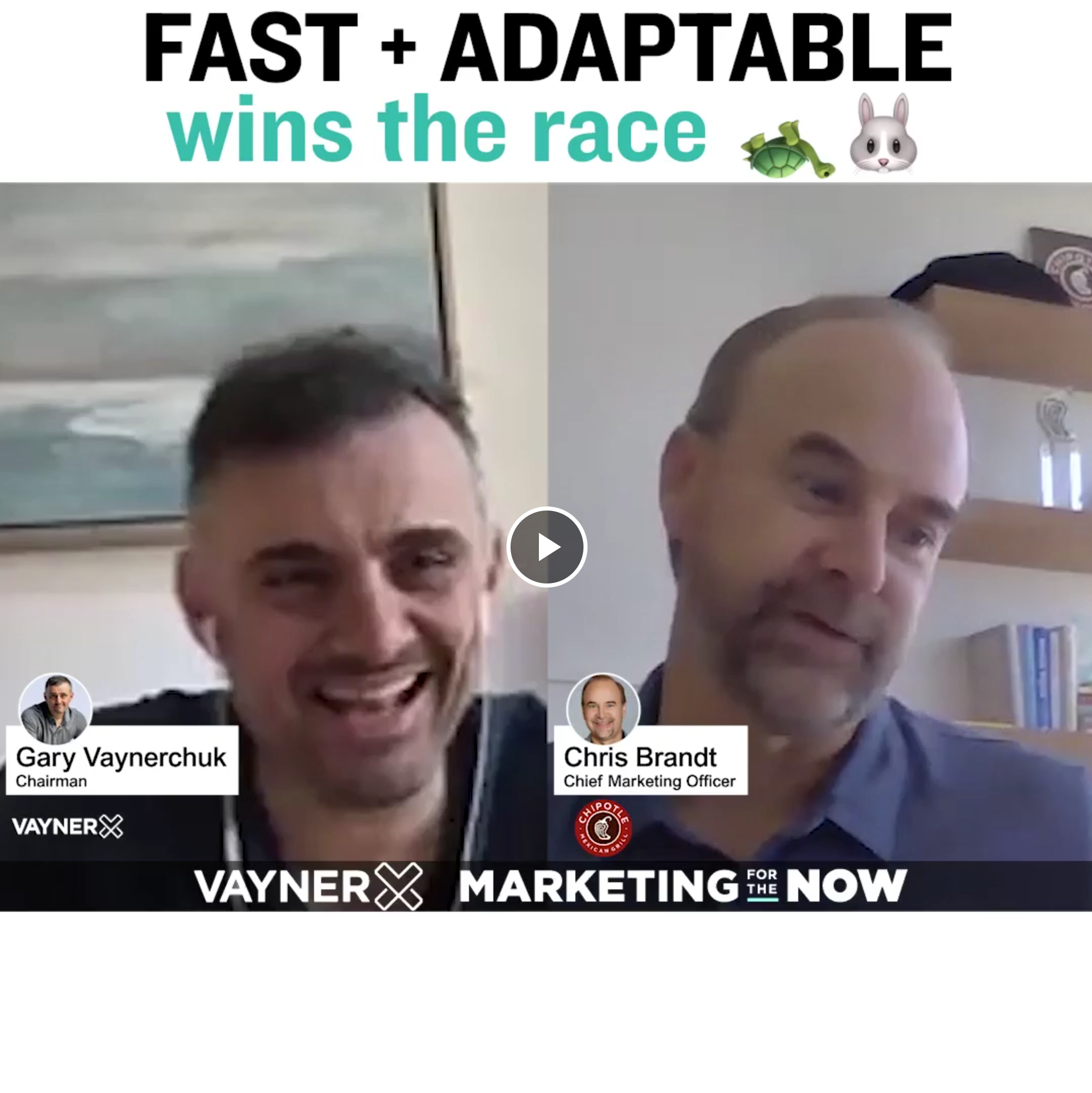
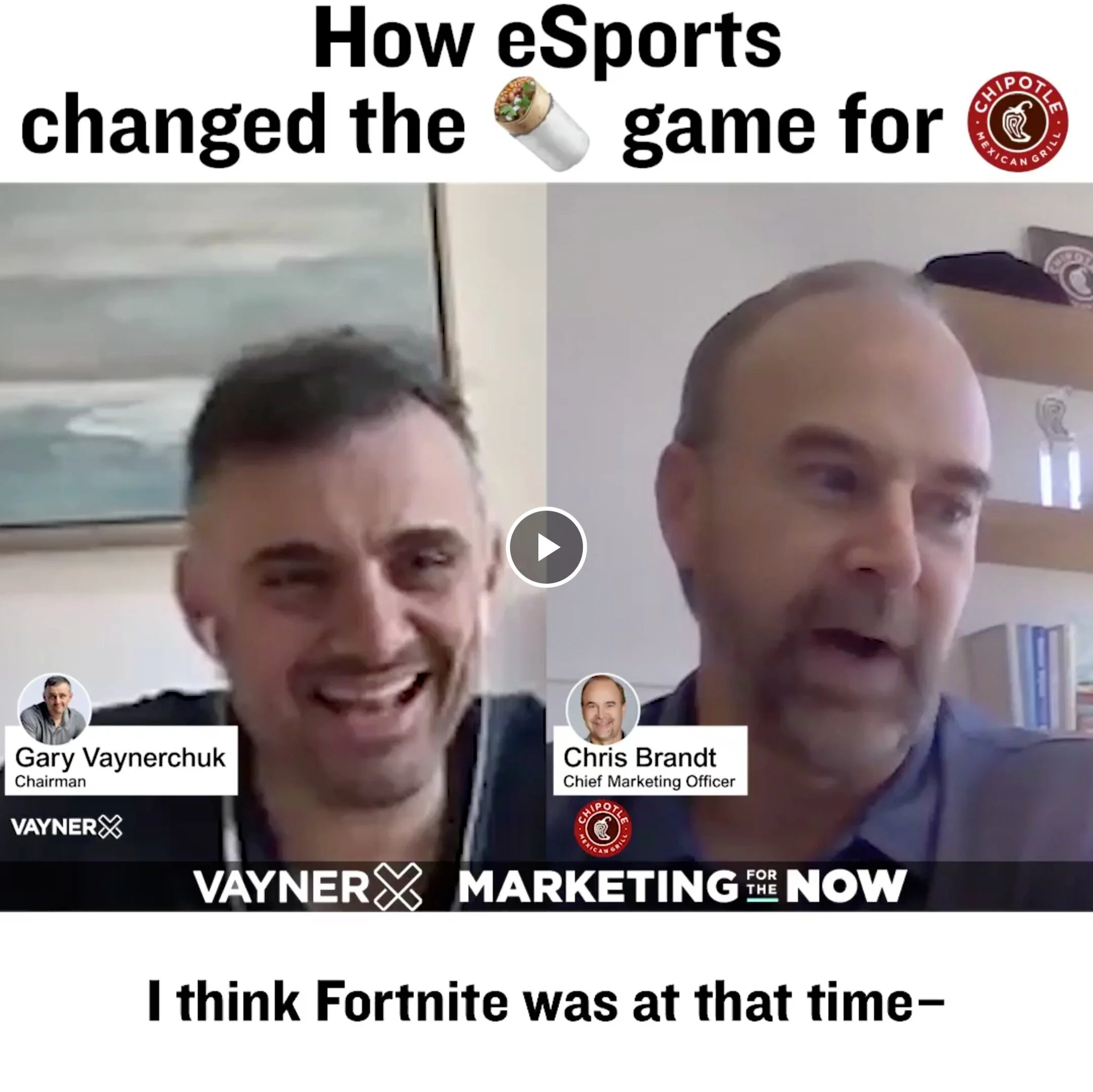
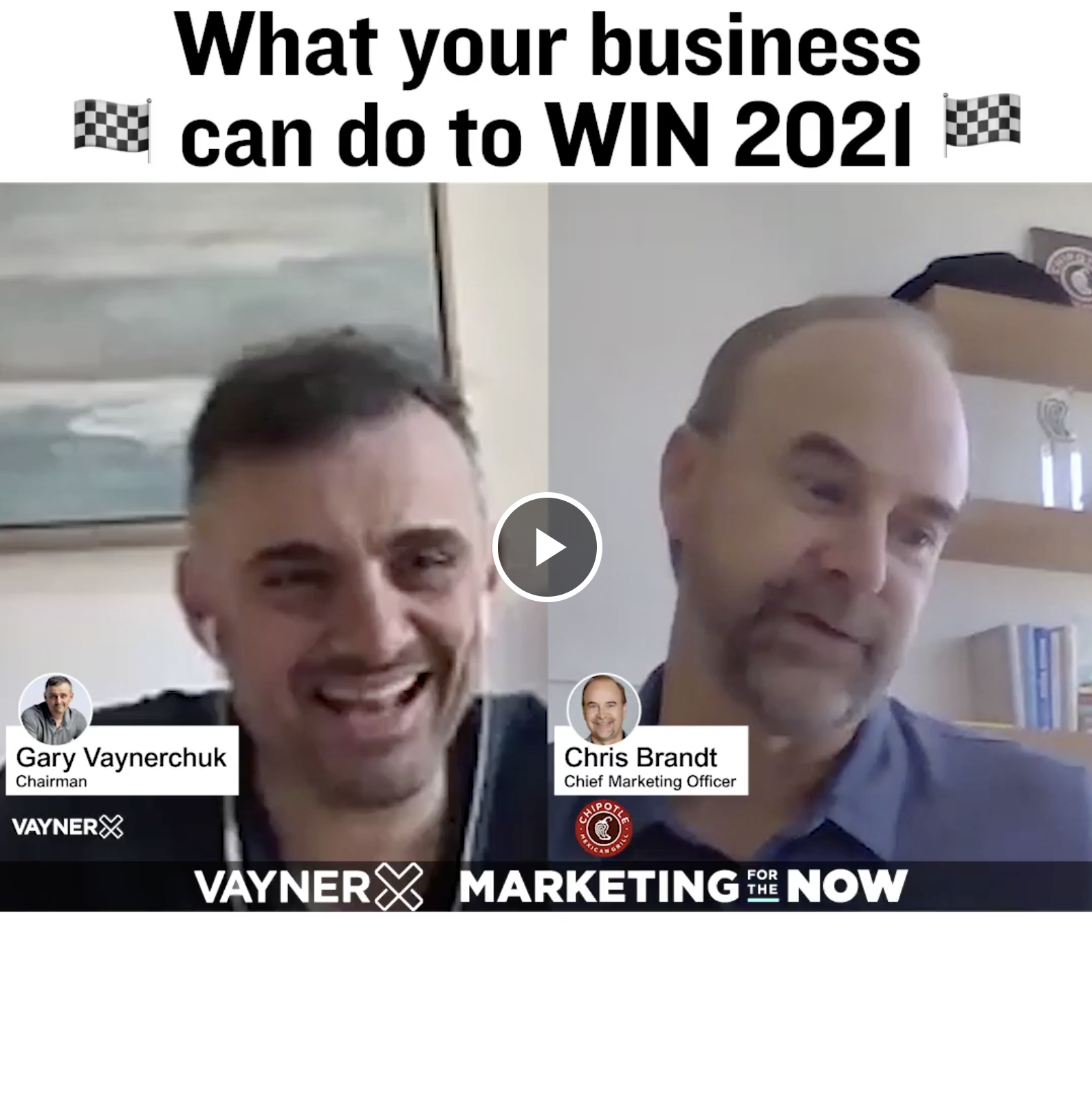
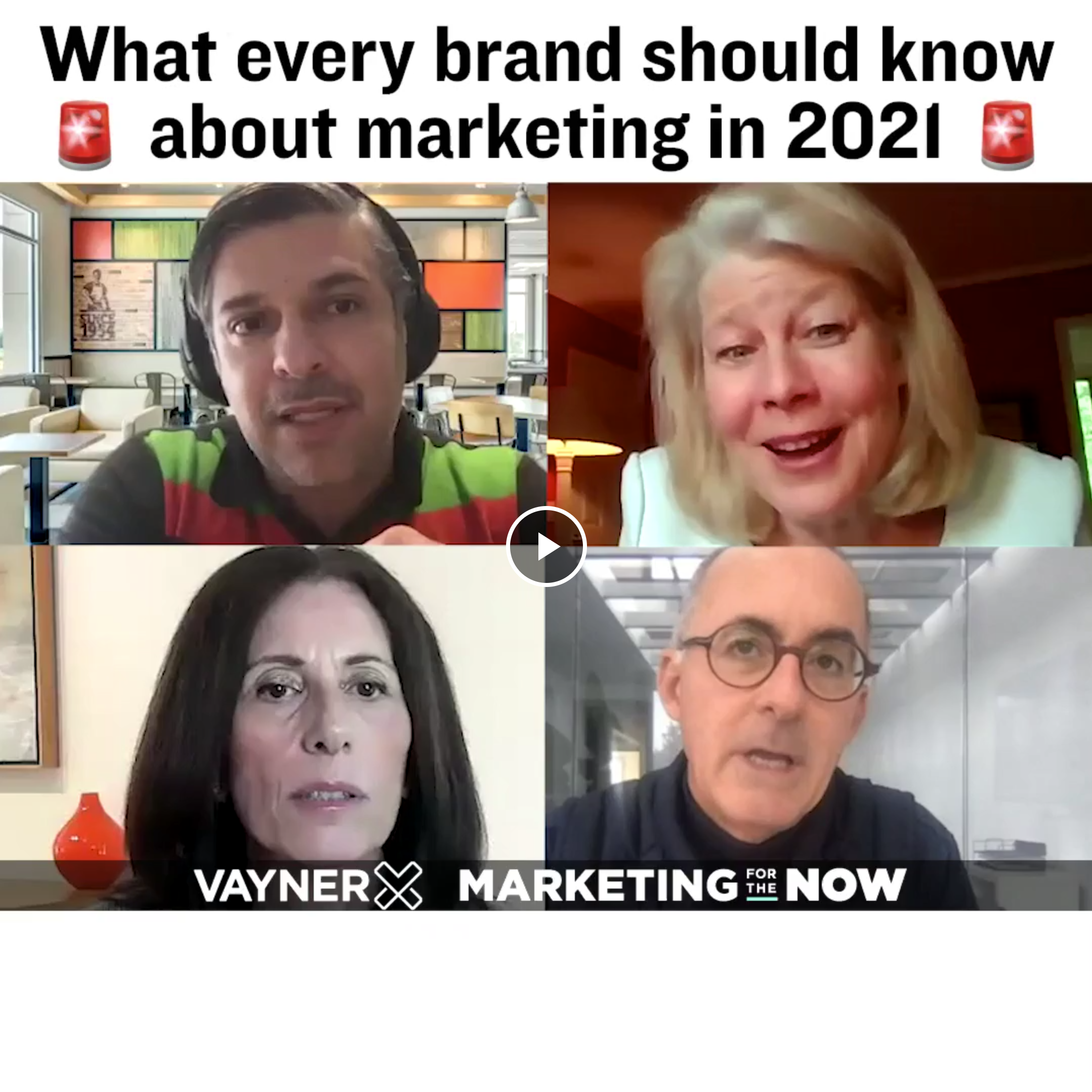
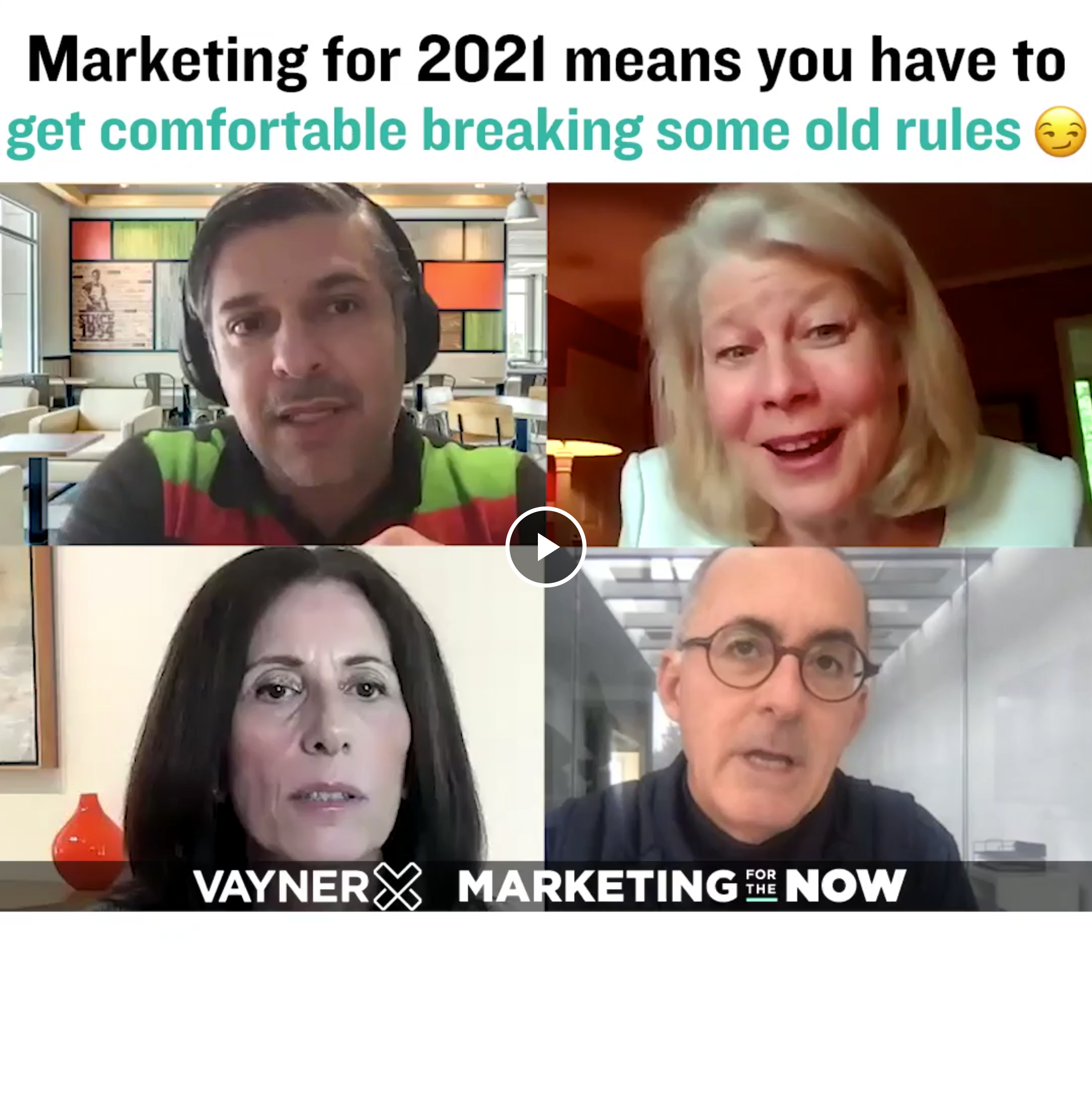
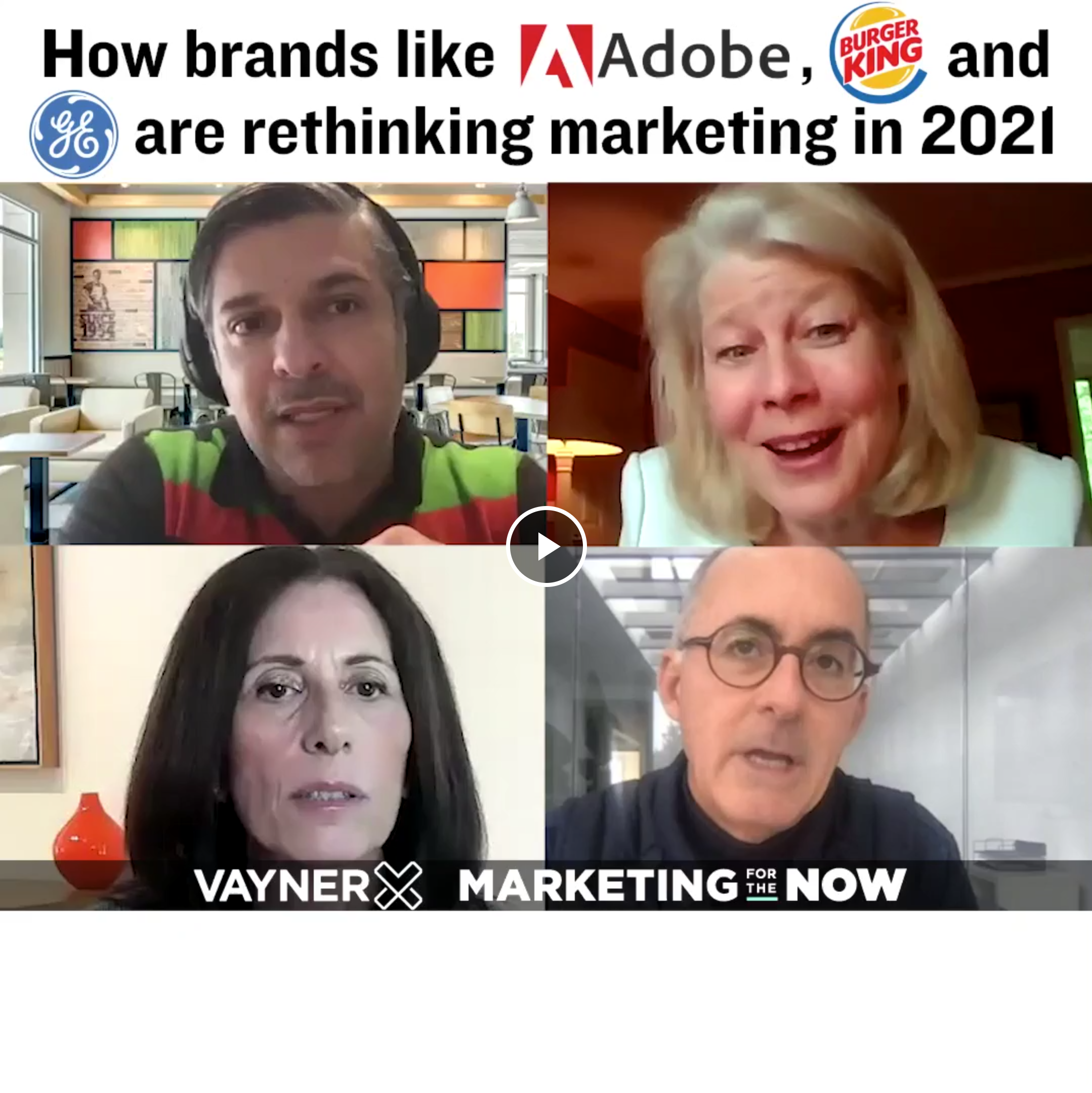
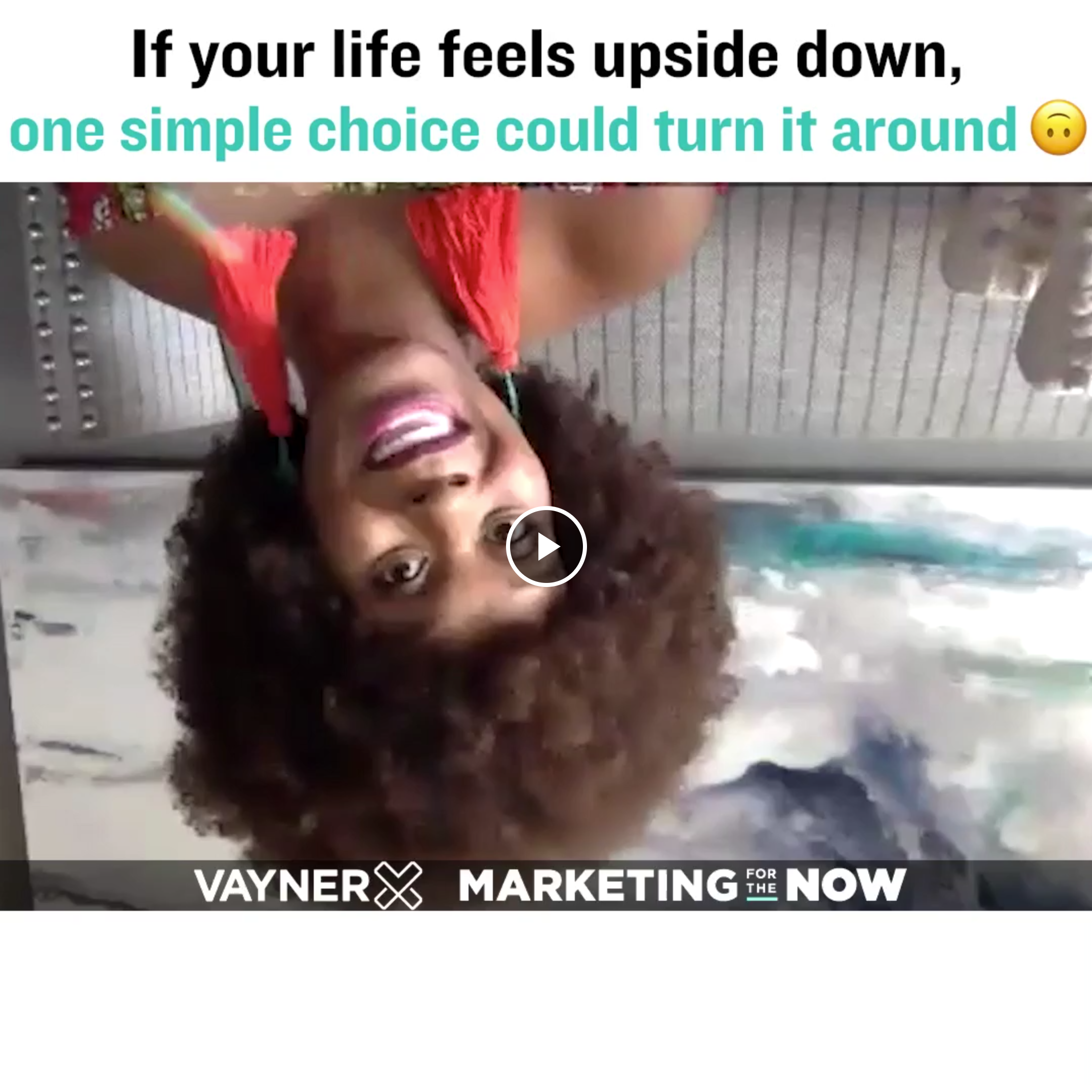
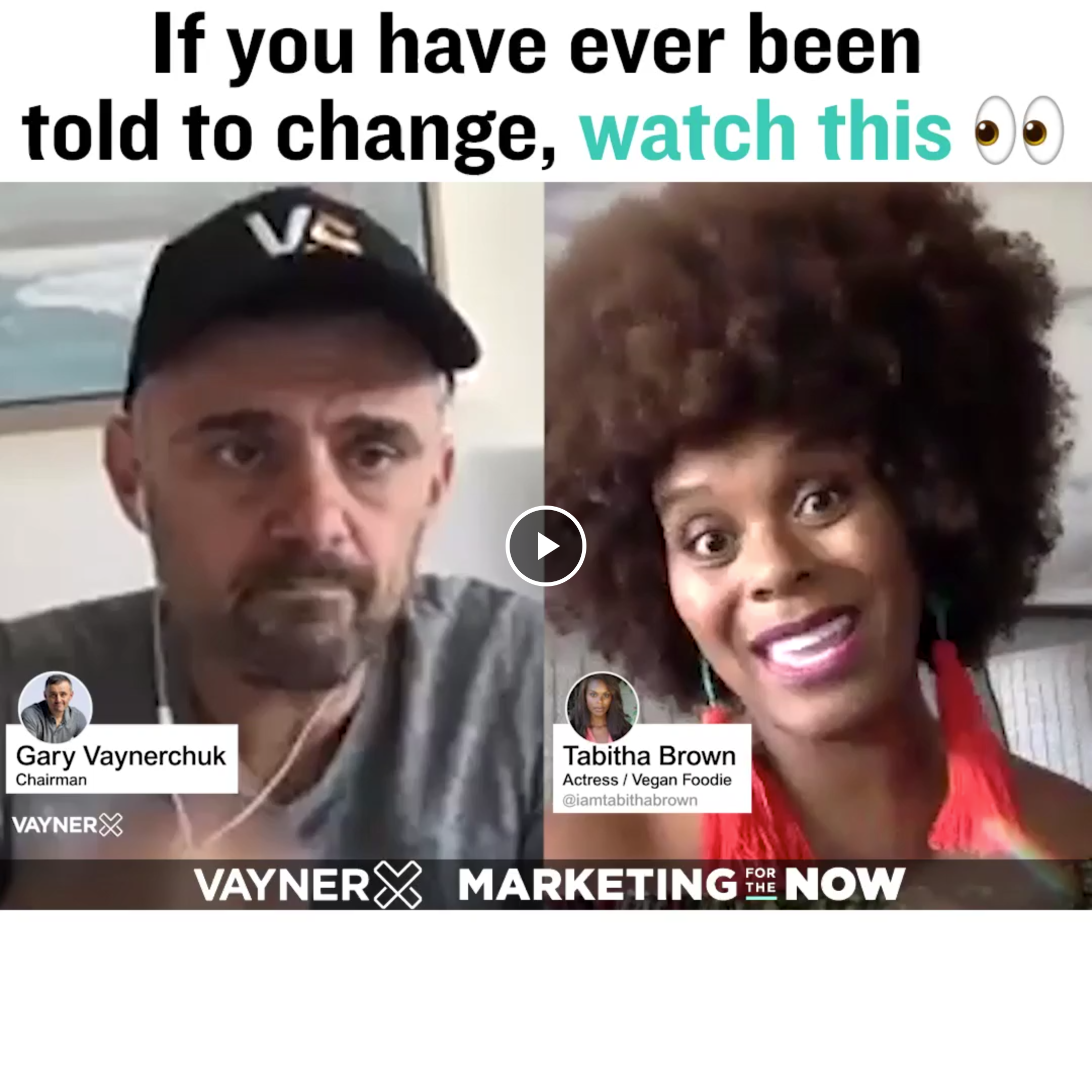
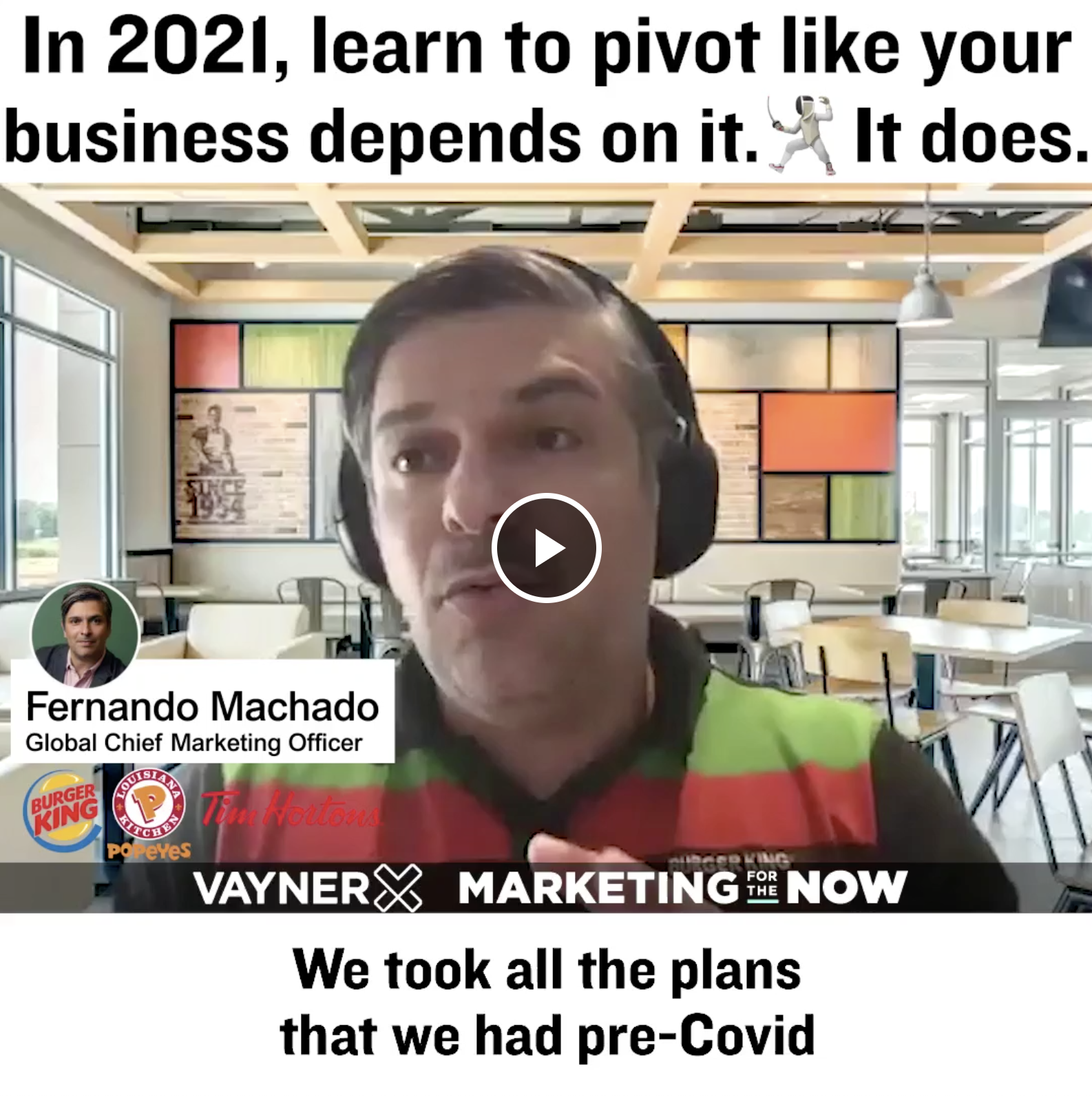
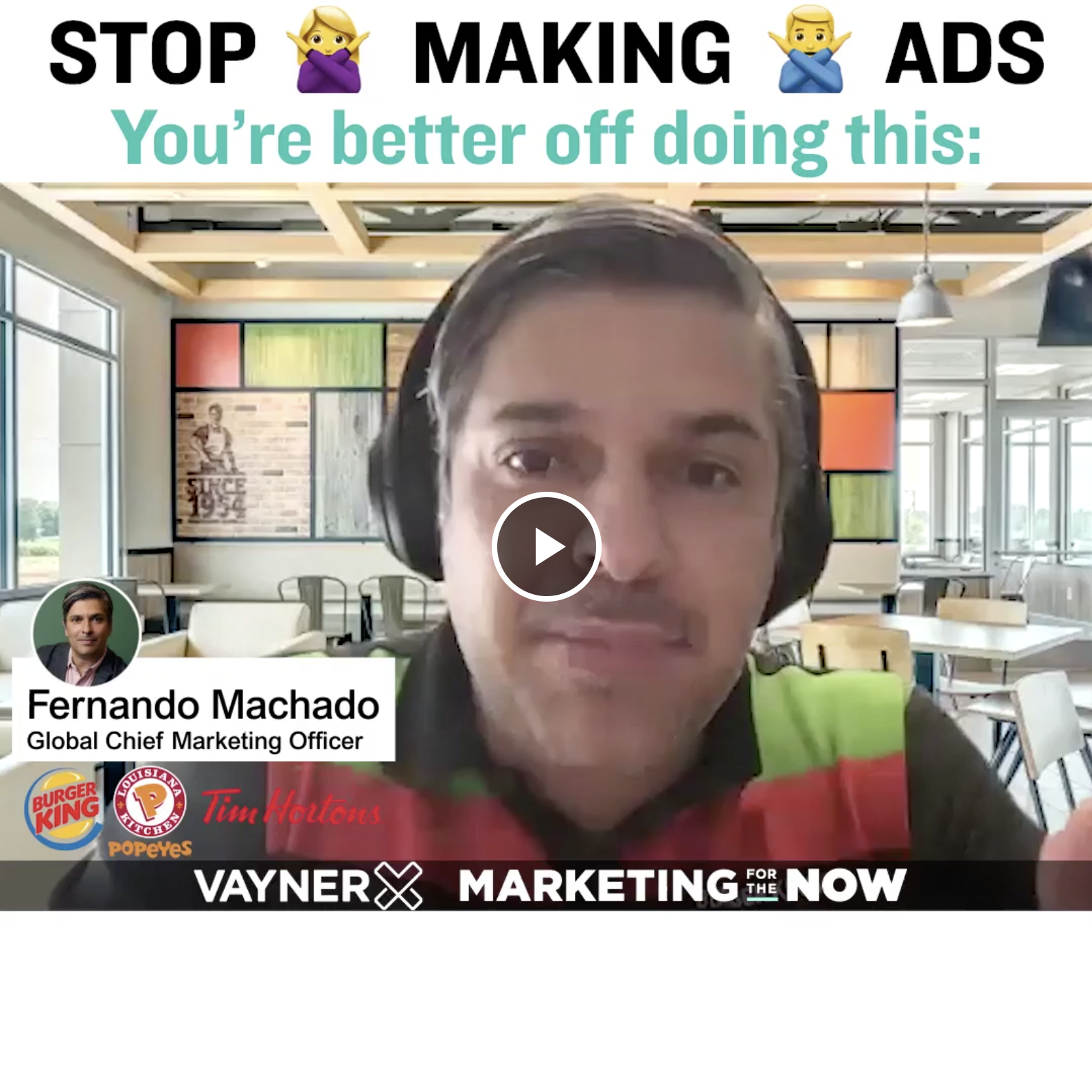
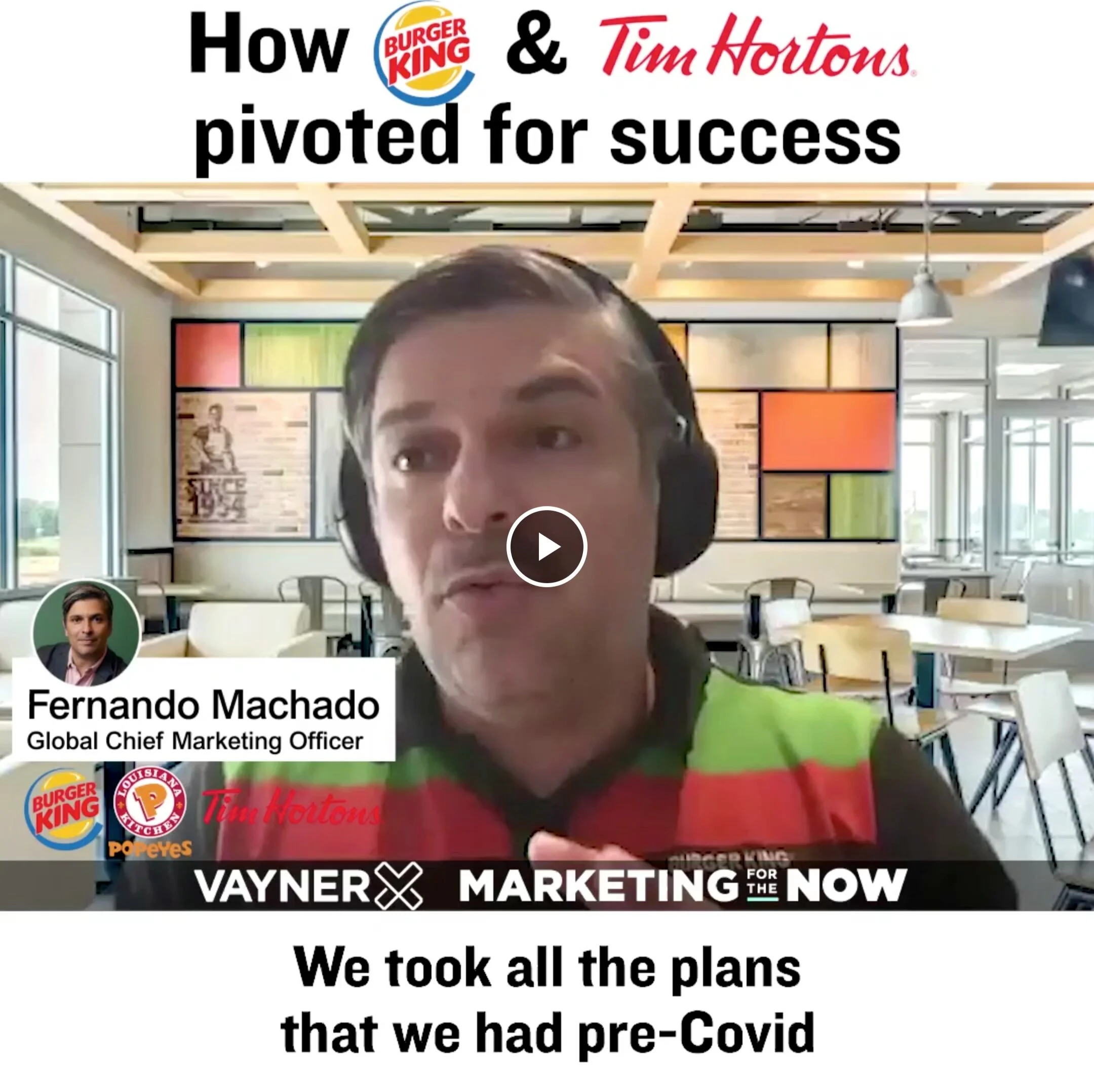
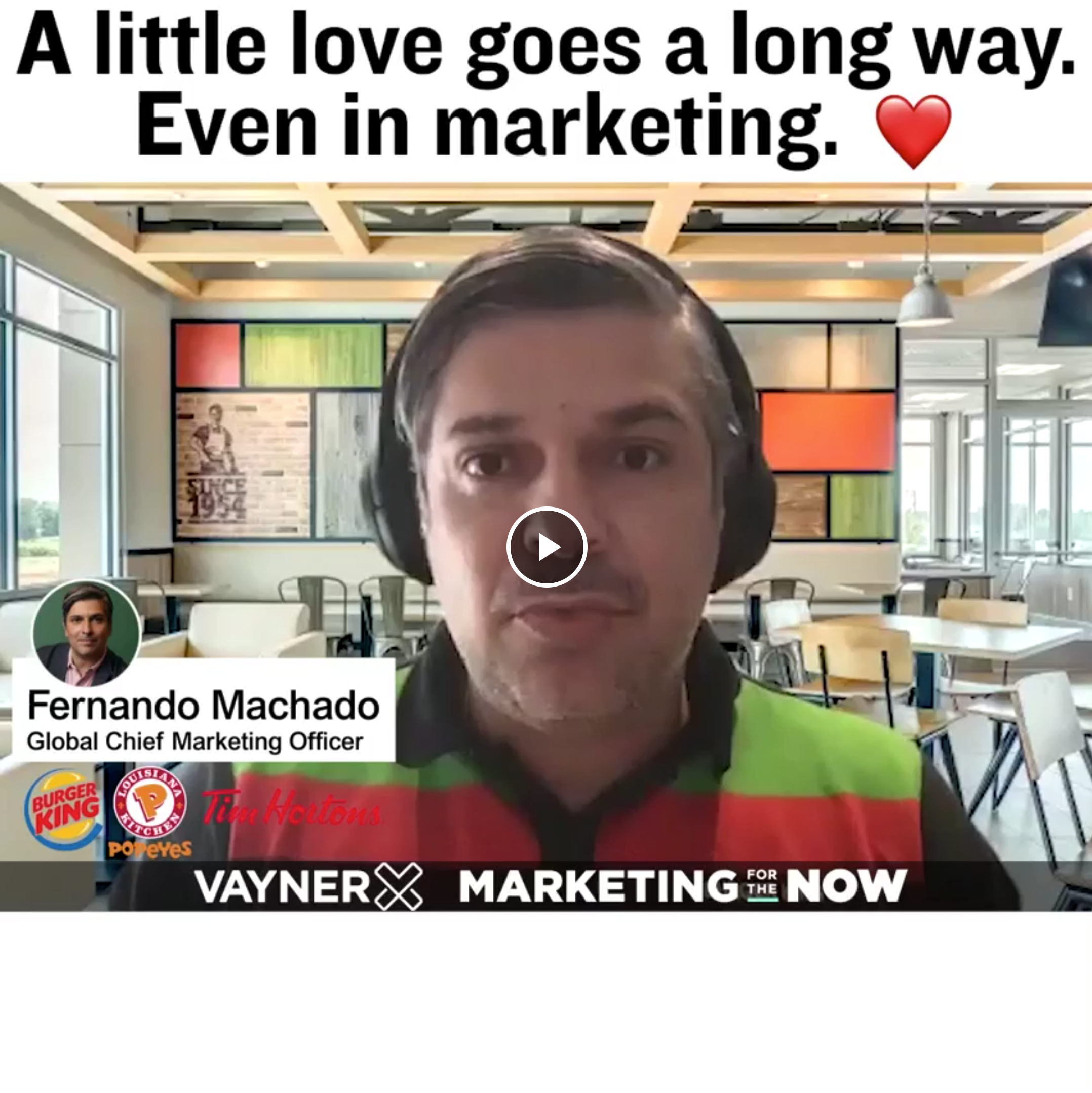
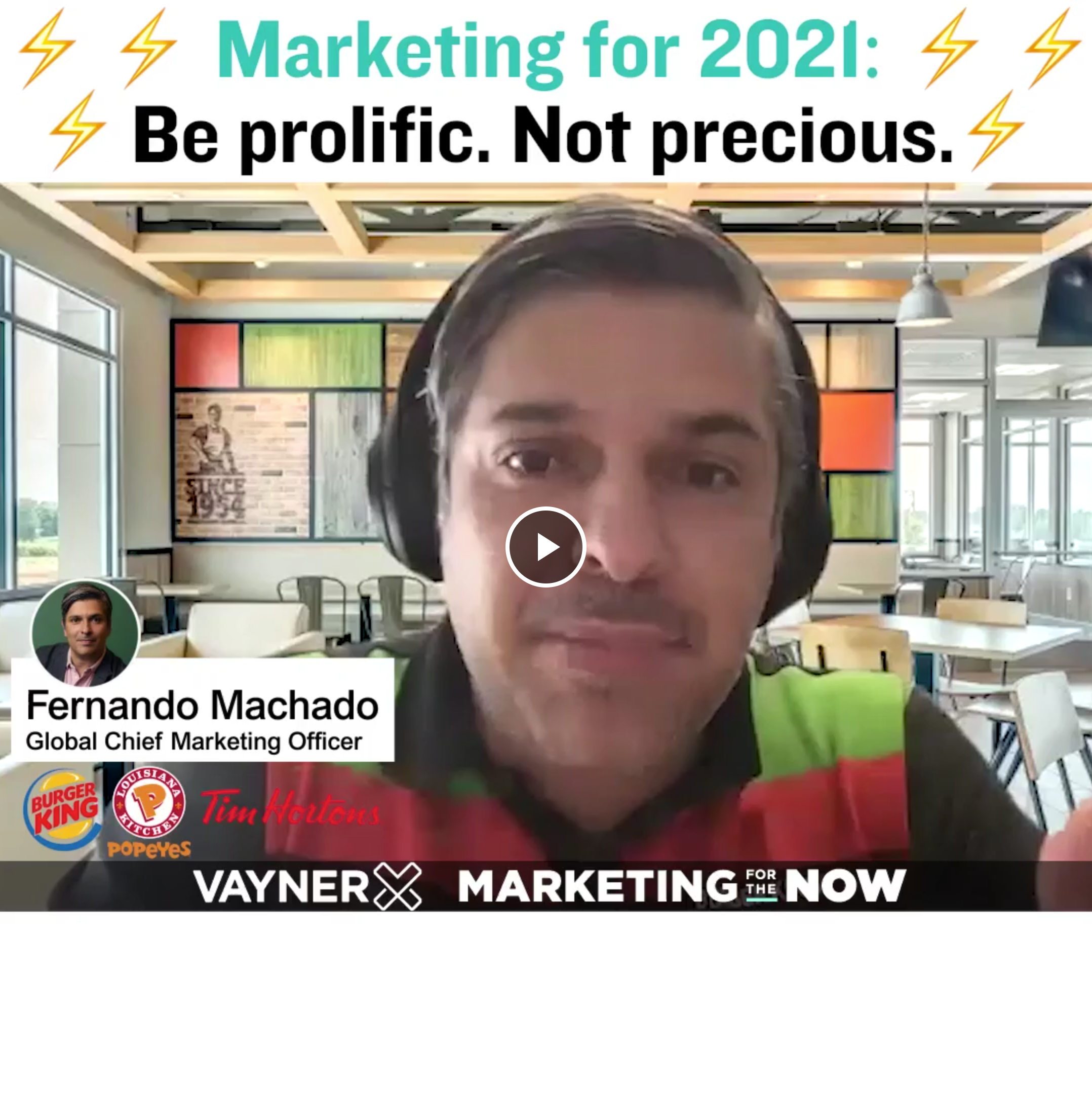
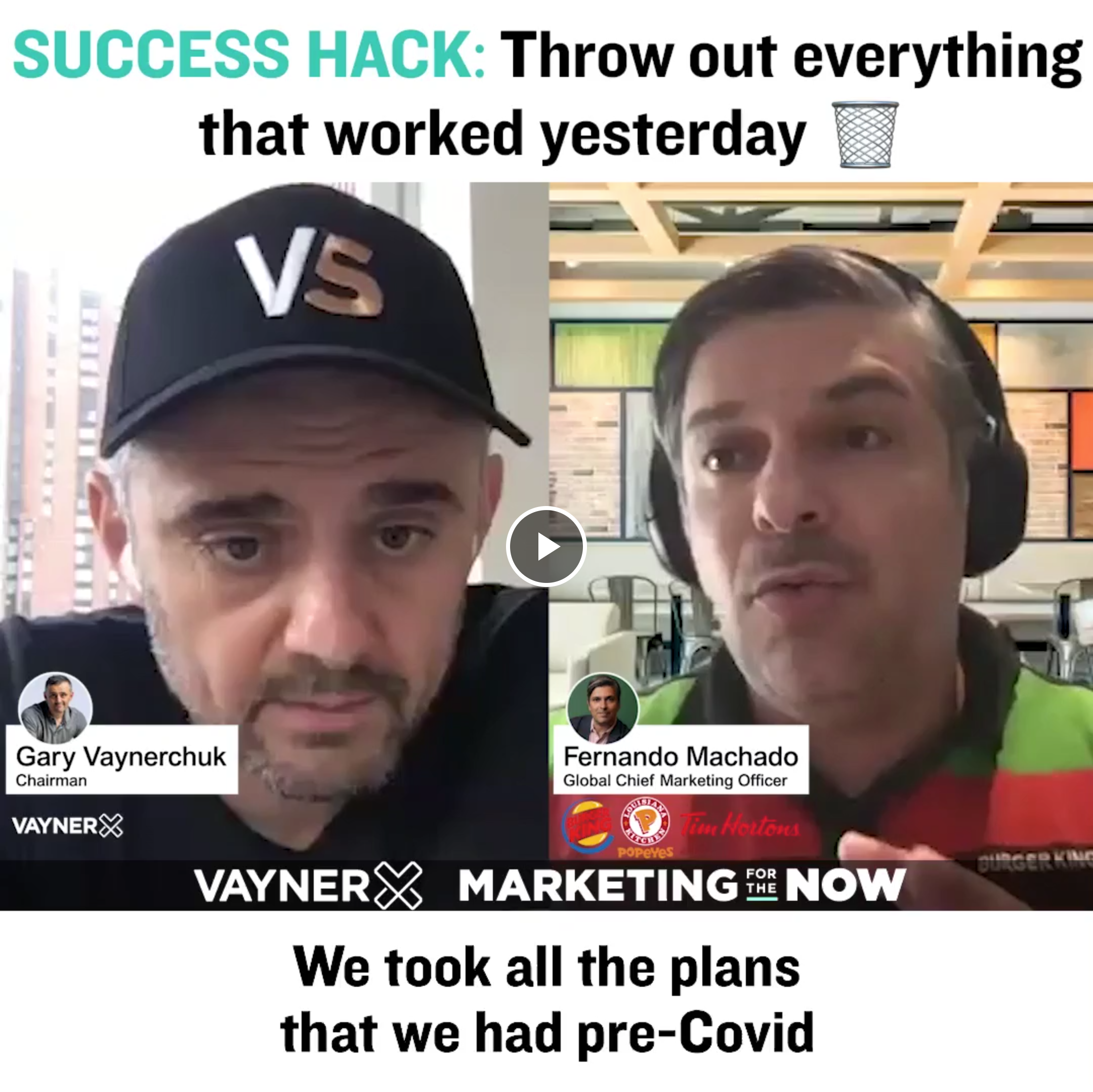
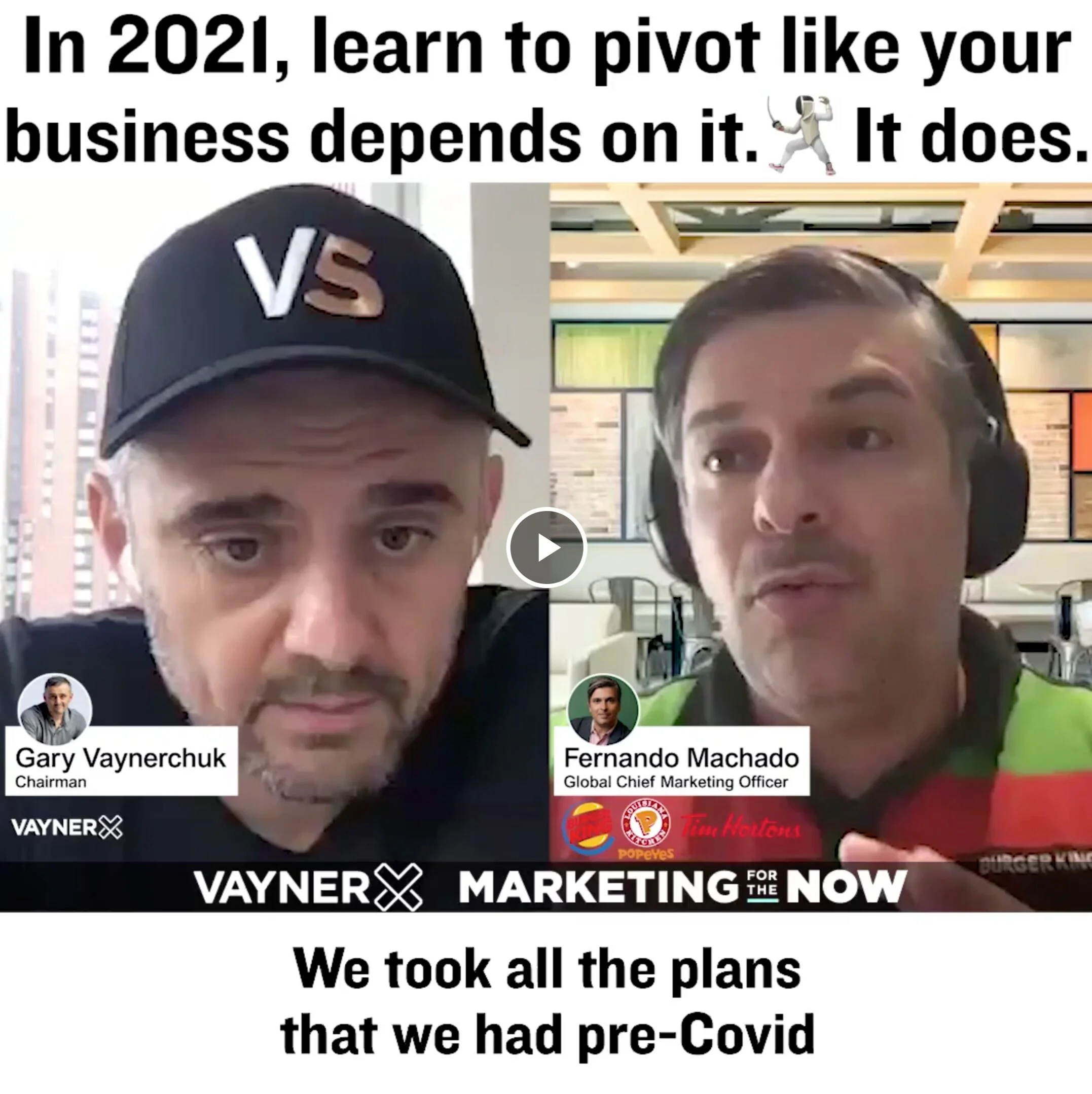
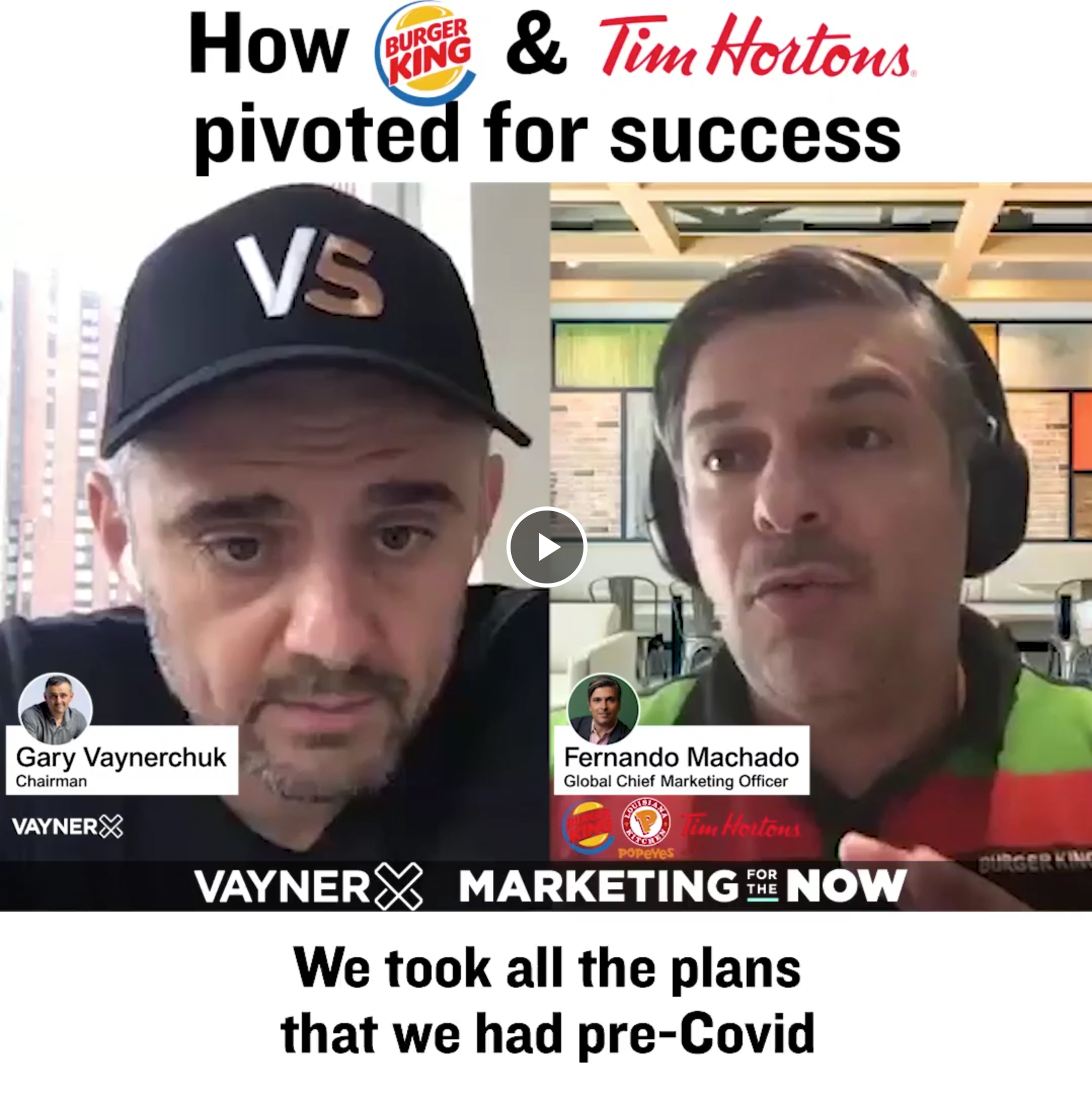
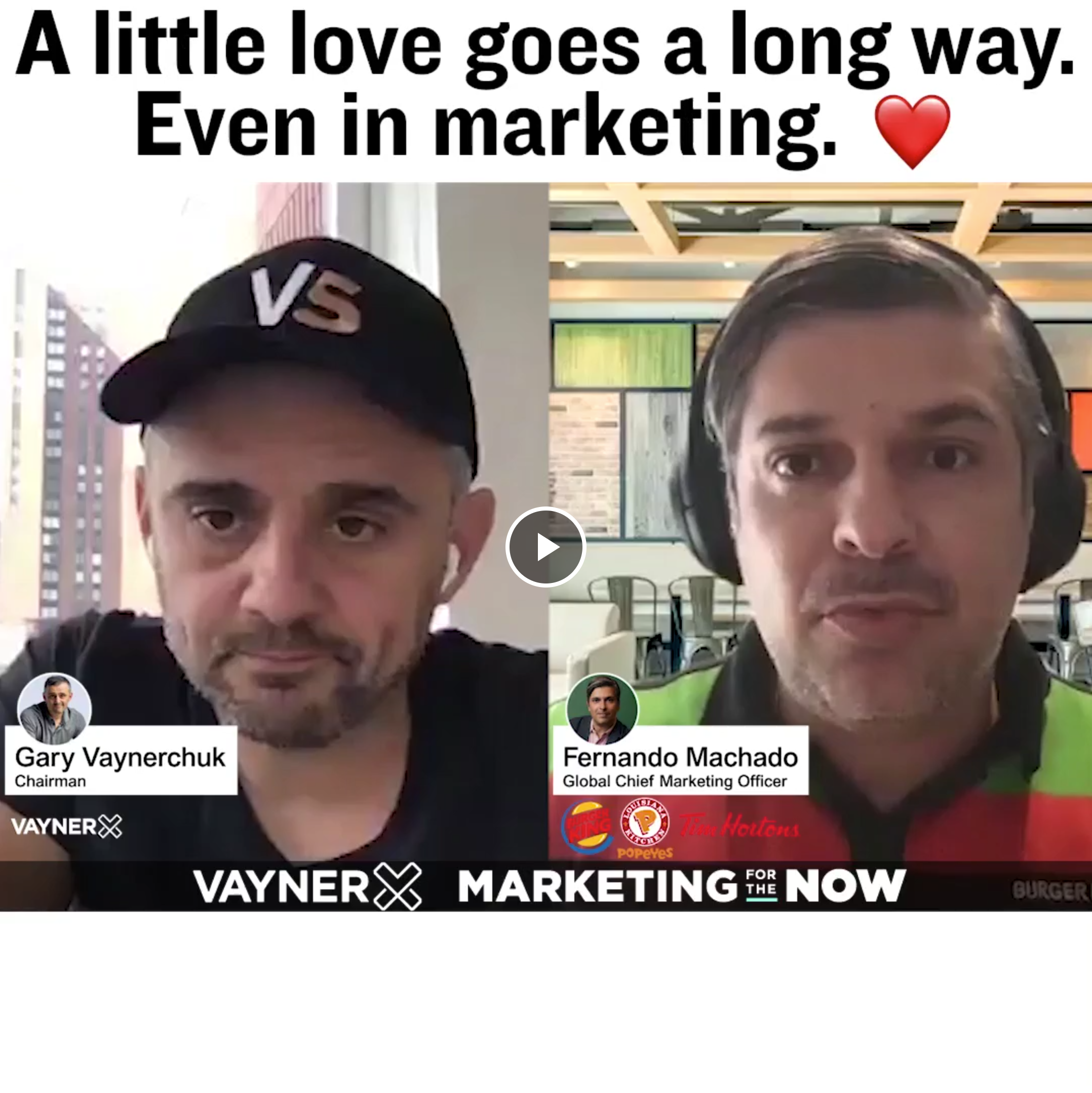
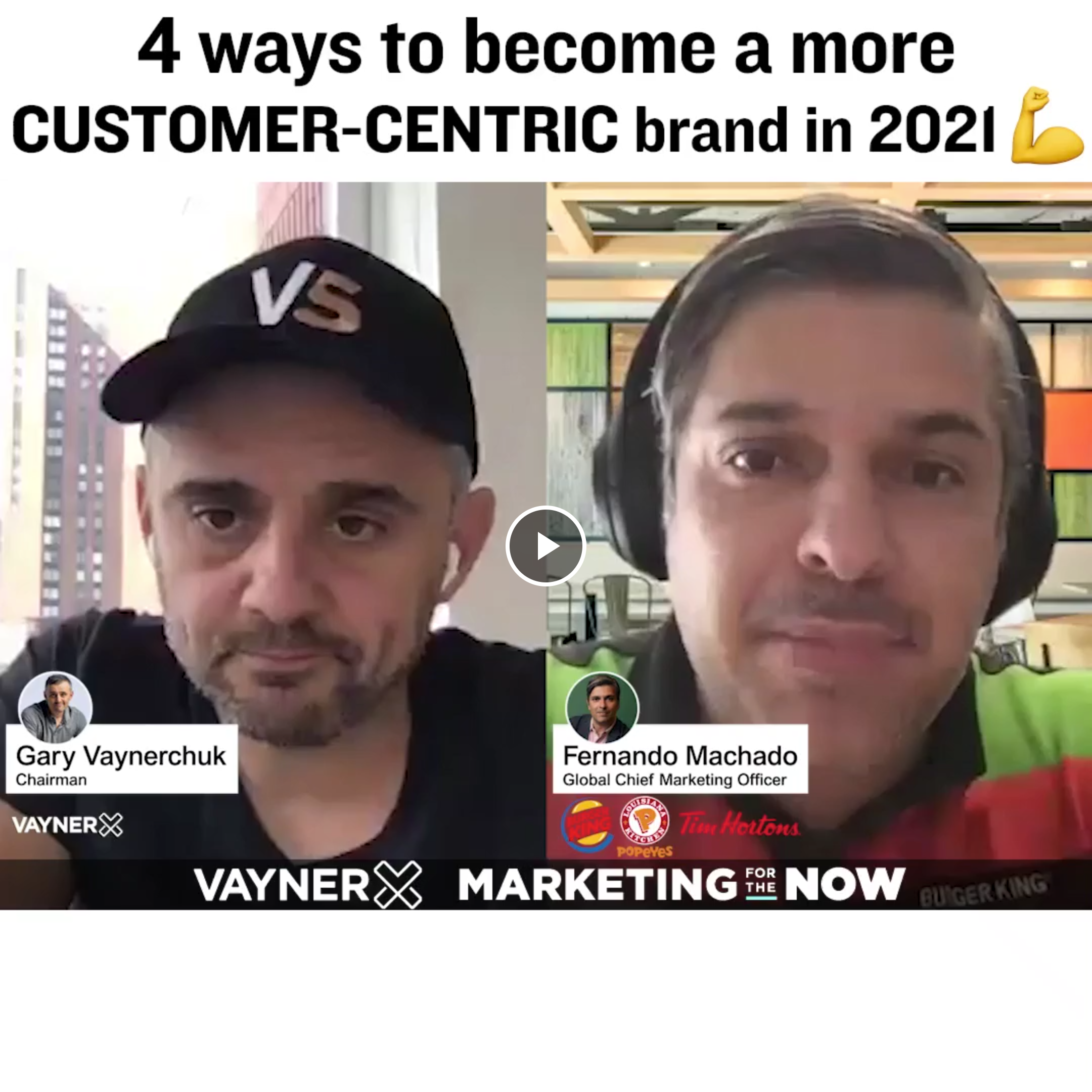
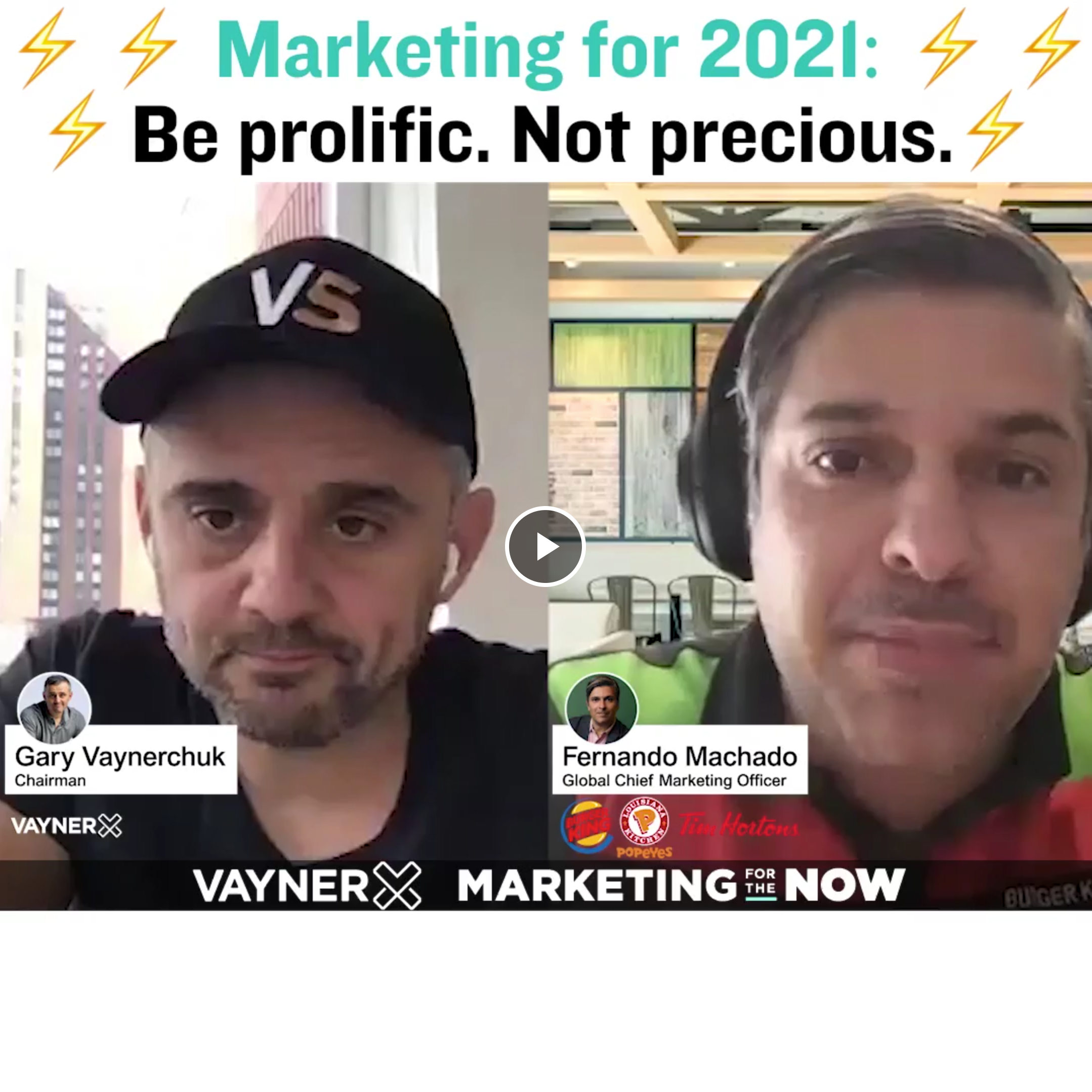
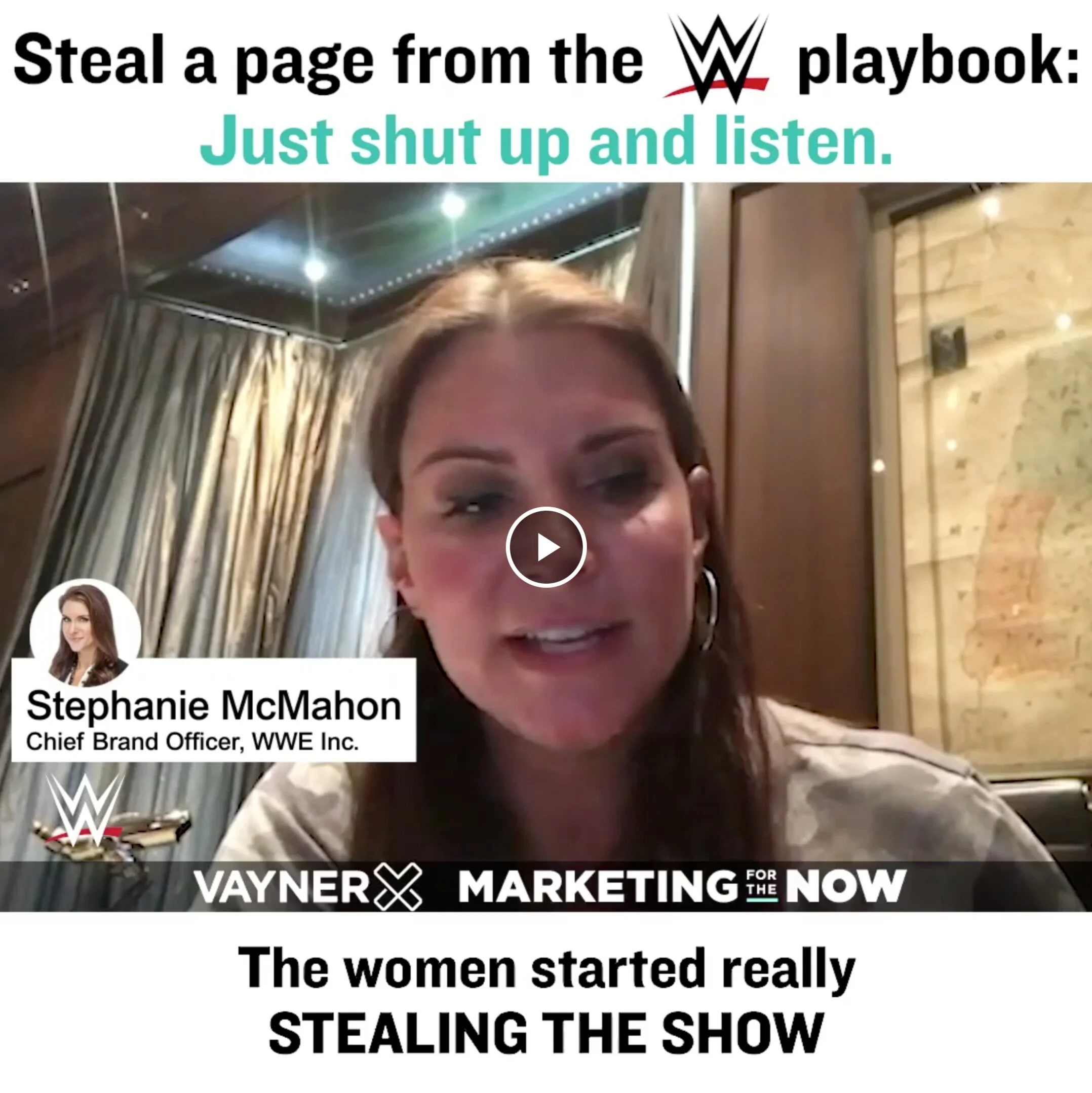
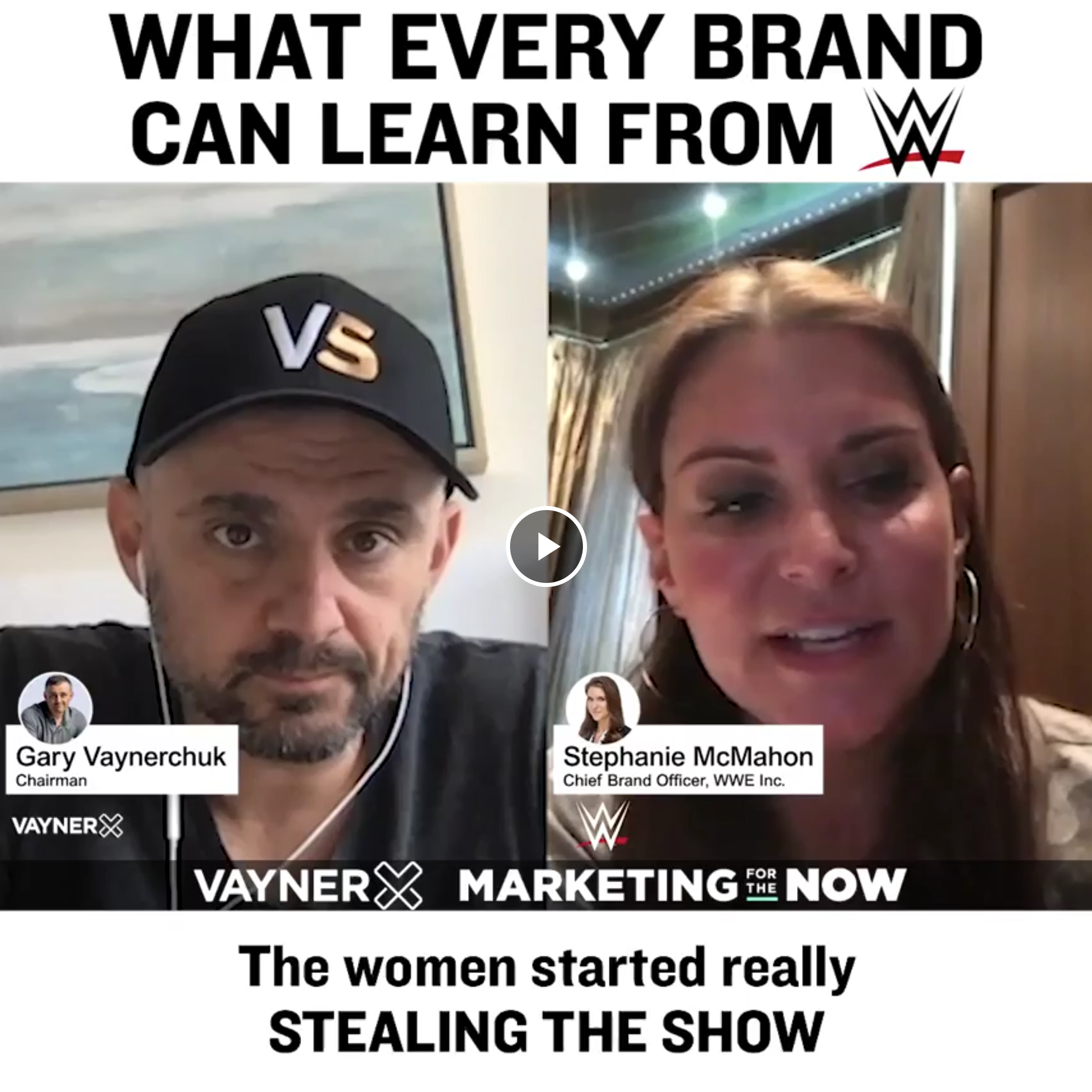
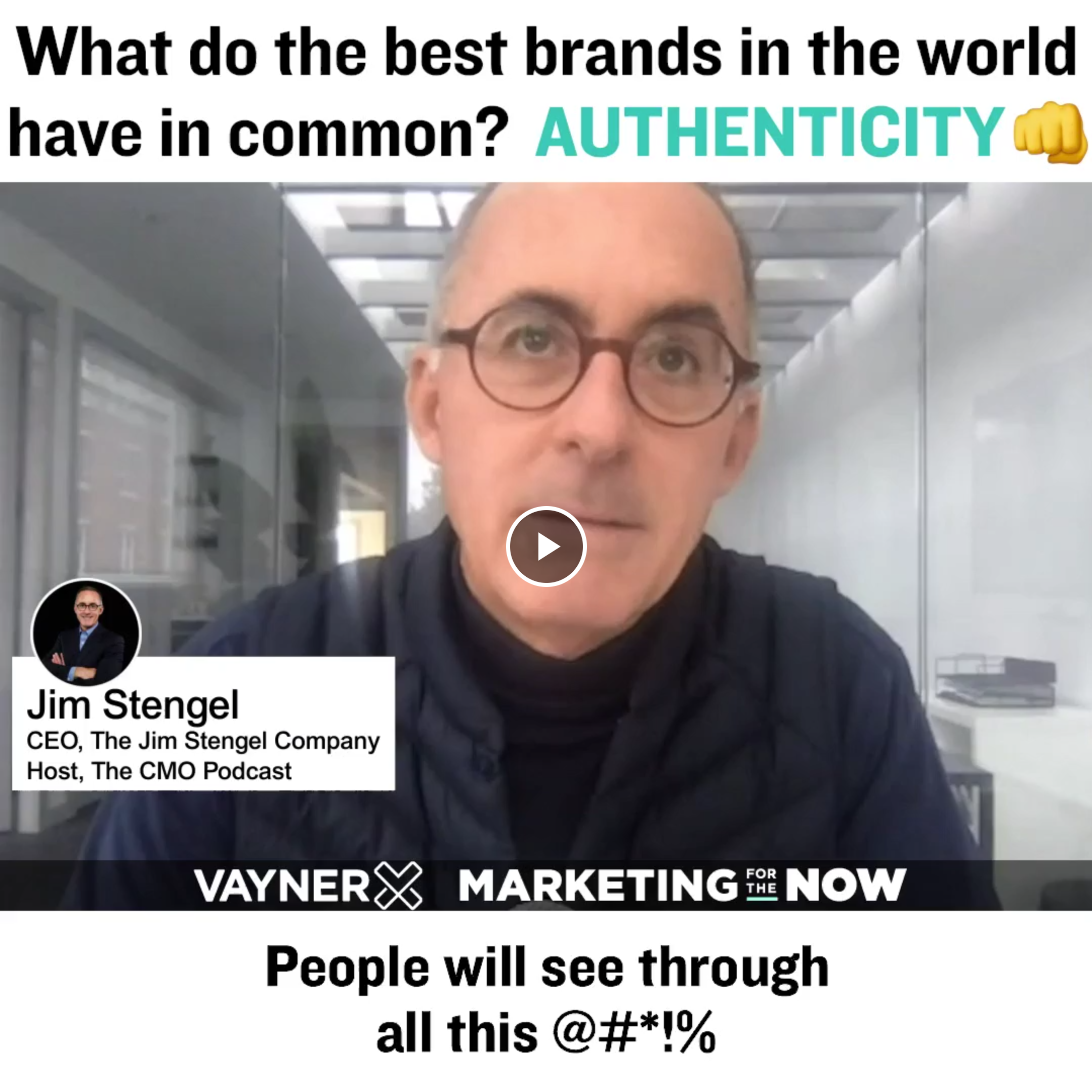
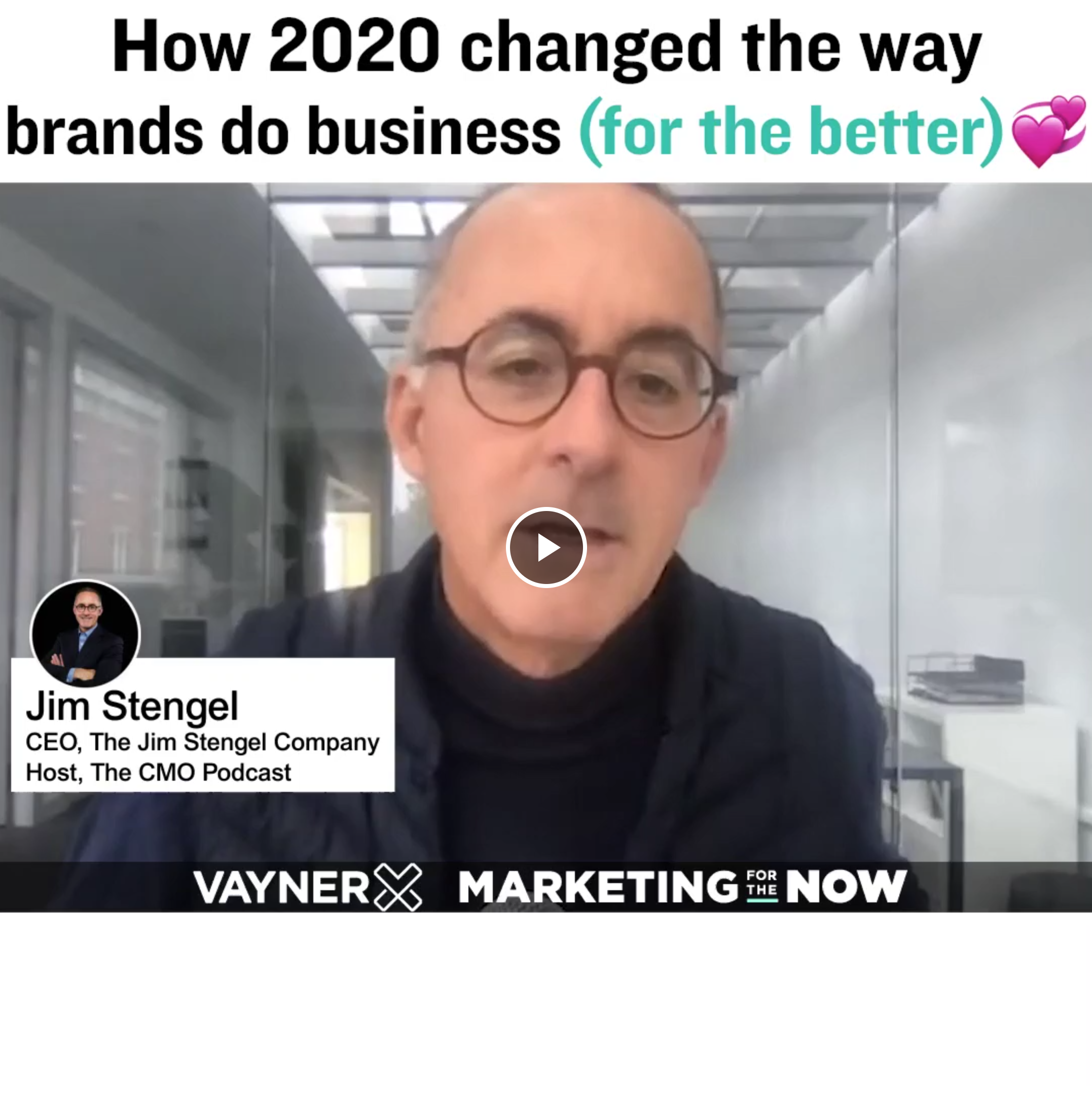
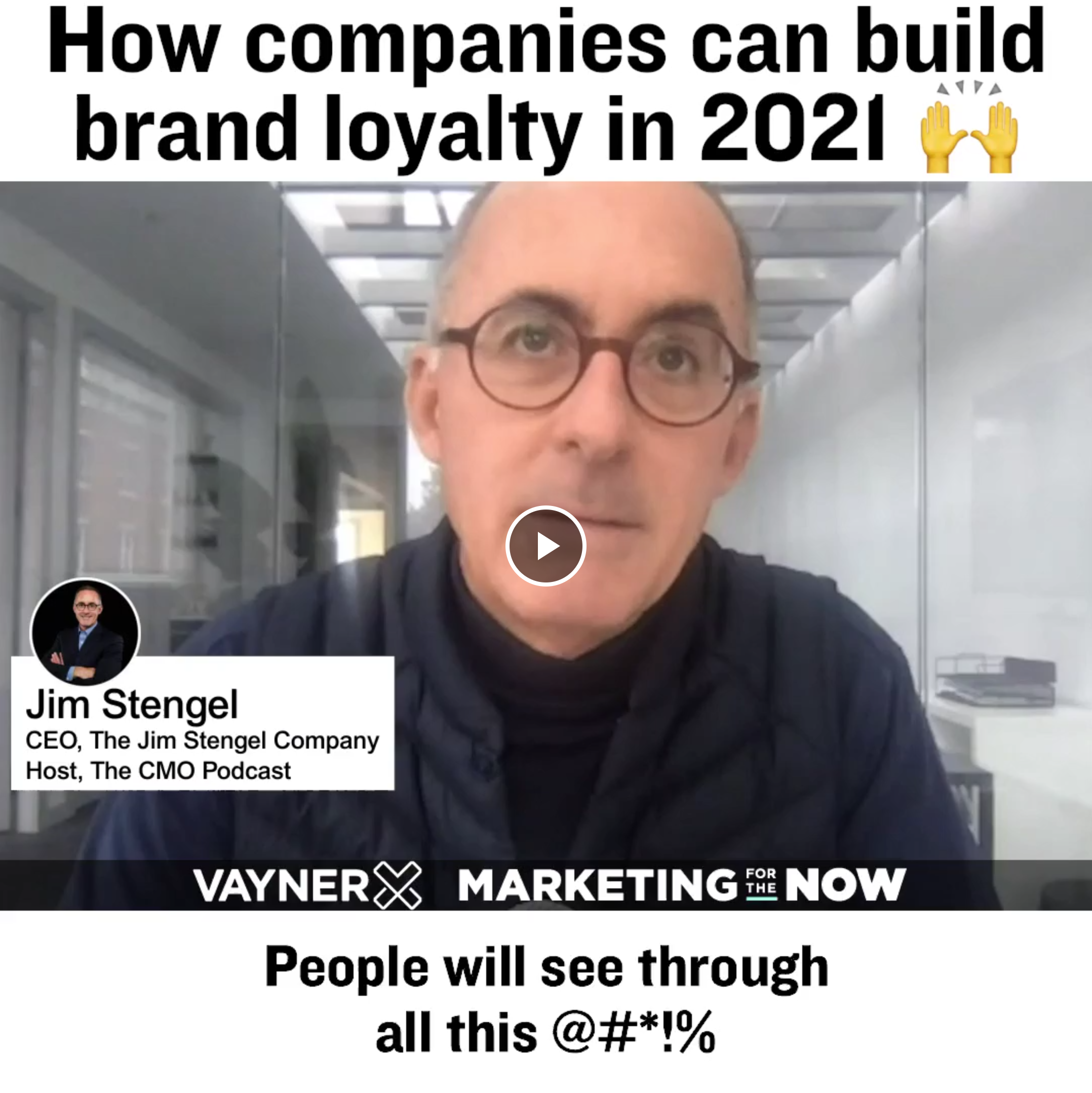
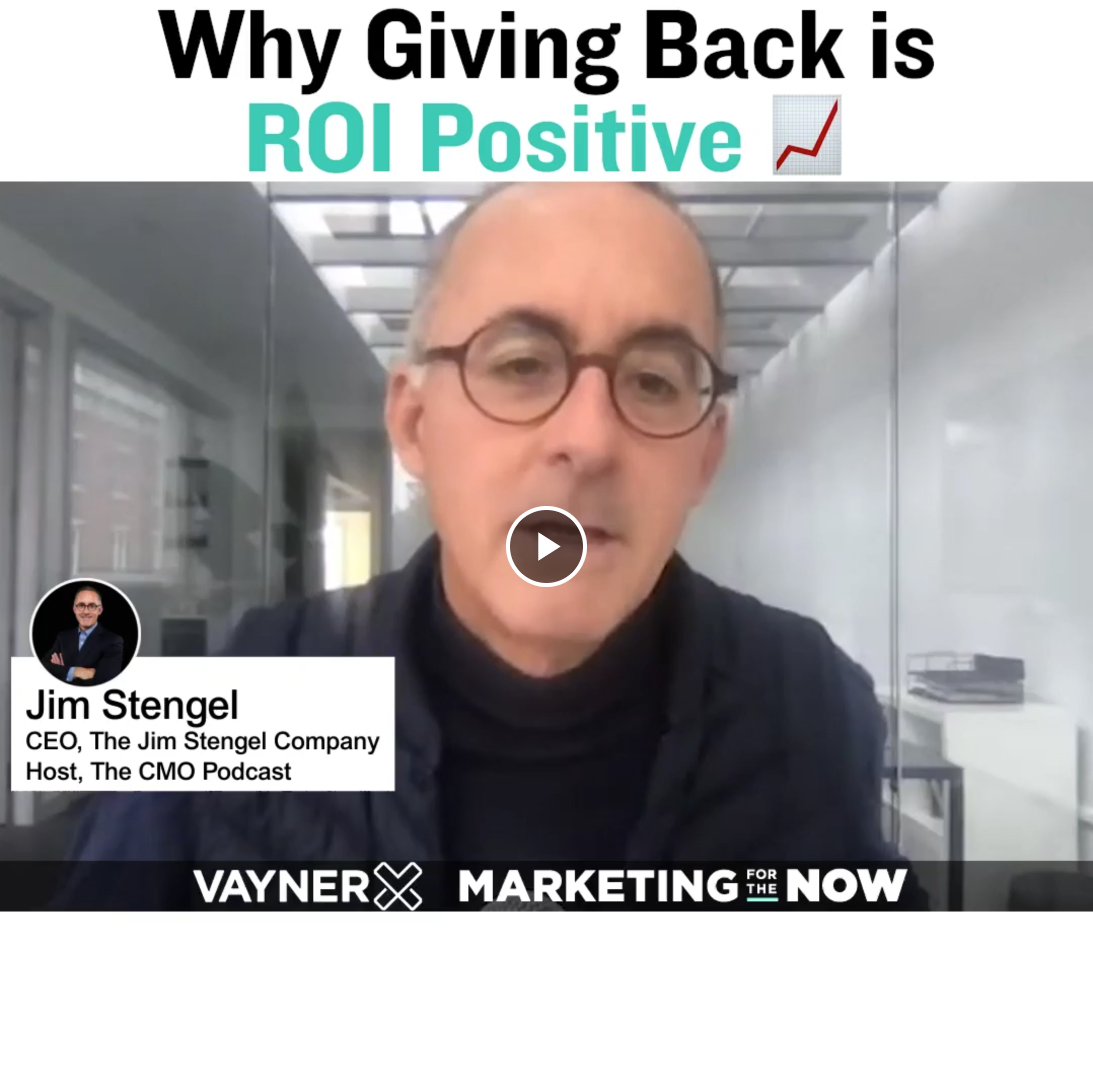
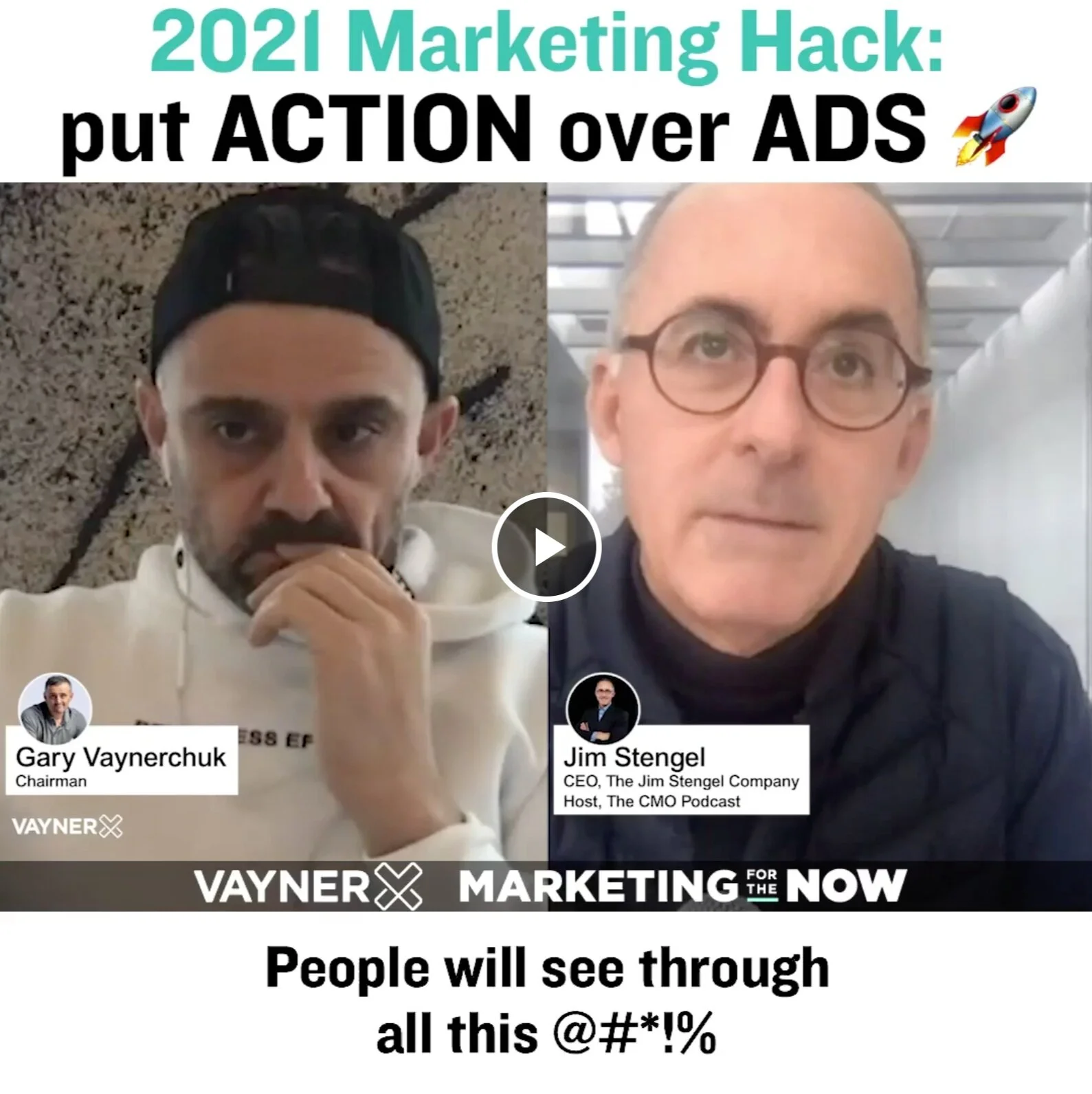
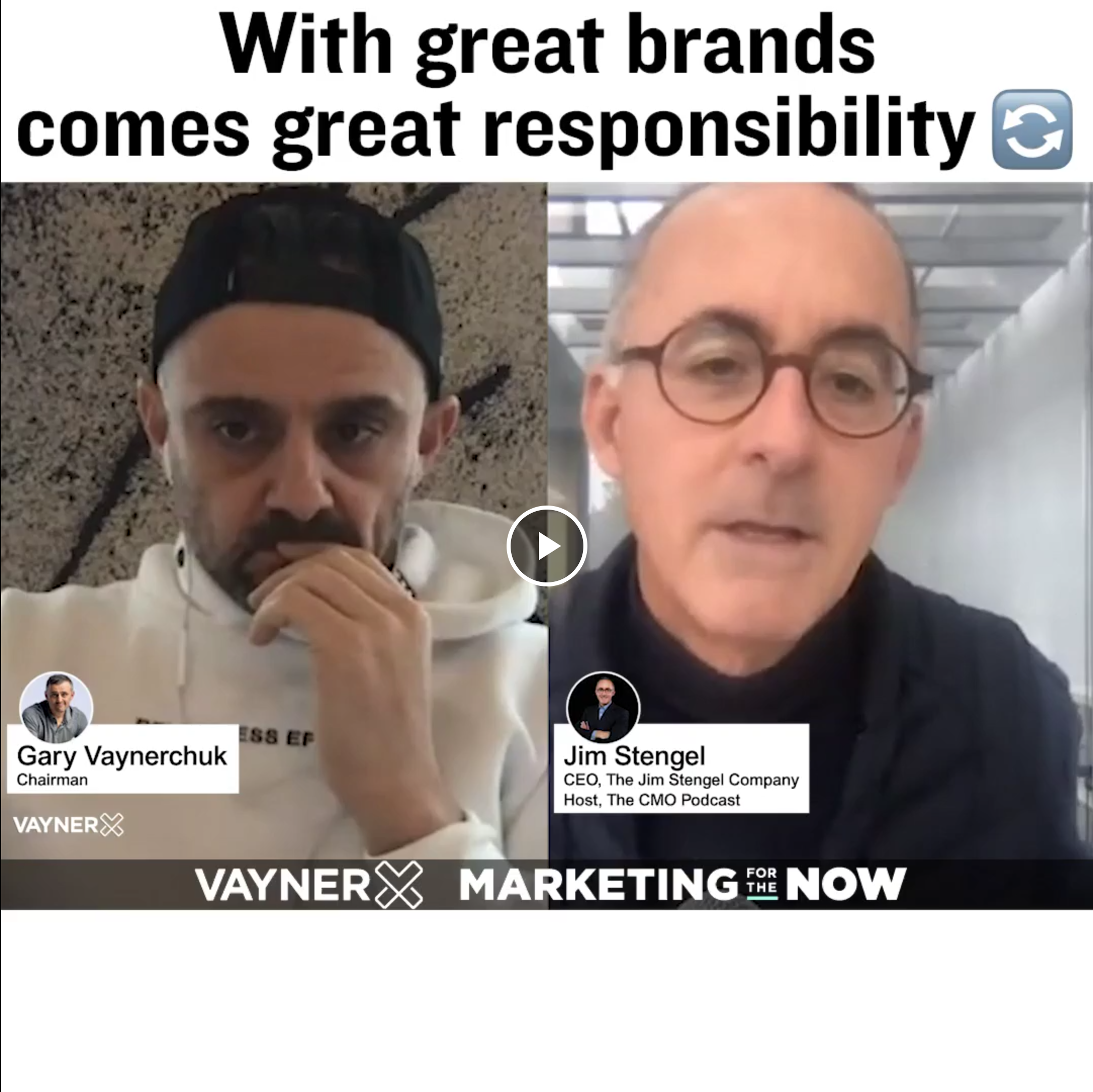
Devices we used. And tested.
Speakers (Single vs. Split):
Some video versions featured one person in frame, cutting back and forth between Gary and his guest. Others kept both speakers in a split-screen format throughout, allowing Gary’s personality to serve as a consistent anchor.
Copy Variations:
Beyond testing different linguistic hooks in the headlines, we also incorporated emojis and logos as visual elements. In post copy (not shown above), language varied based on audience targeting: CEOs, CMO- and CDO-level users, VPs and heads of marketing, and various overlays—e.g., CPG brand affiliation, Fortune 500 companies.
Other Tricks:
One video started upside down to convey a mindset shift Tabitha Brown speaks to. We also created supercuts with multiple guests riffing on a singular theme with Gary—some, as a 2x2 speaker grid. Groupings included: adaptability, social responsibility, authenticity, breaking rules, etc. And each video incorporated a sonic branding element paired with an interstitial frame, always in the first few seconds.
RESULTS?
Given the small scale of this internal test, and just $2k spent in media, there were no hard goals or benchmarks.
But we still gained (and learned) some things.
Gained.
• 25,561 video views
• 1,002 video completions
• 61 conversions (sign-ups)
Learned.
• The single-versus-split frame variable had little to no effect on video performance.
• Culturally relevant topics performed best: e.g., women in the industry, adapting to COVID, social responsibility.
• Lots of drop-off followed the interstitial title card/sonic branding, so future MFTN campaigns should iteratively test clips in the opening segment.